Is It Safe to Drive with a Cracked Bumper?
Yes, A cracked bumper can sometimes be safe to drive with, but hidden structural or sensor-related damage may exist beneath the bumper cover.
Many drivers assume bumper damage is “just cosmetic” because the visible outer layer is plastic. While some surface imperfections may be minor, deeper issues can still exist beneath the bumper cover — especially since not all cosmetic damage is as simple as determining whether bumper scratches can be buffed out safely.
In reality, modern bumpers are engineered safety systems designed to absorb impact energy and support advanced vehicle technology.
A cracked bumper cover may appear minor on the surface, but hidden damage underneath can sometimes affect:
- Crash protection
- Structural support
- ADAS safety systems
- Sensor alignment
- Energy absorption during collisions
A professional inspection is the best way to determine whether the damage is truly cosmetic or if internal components were affected.
Quick Answer
A bumper cover is only the visible outer layer of the bumper system.
Behind it are structural and electronic components that help protect the vehicle during an impact. Even low-speed collisions can sometimes damage hidden parts that are not immediately visible from the outside.
Modern bumpers may contain:
- Reinforcement bars
- Energy absorbers
- Mounting brackets
- Blind spot sensors
- Parking sensors
- Radar-based ADAS components
What looks like a small crack can occasionally involve deeper structural or sensor-related damage, especially since a cracked bumper can worsen over time from vibration and daily driving stress.
What’s Actually Behind Your Bumper Cover?
Modern bumper systems are designed in multiple layers that work together during a collision.
1. The Bumper Cover (Outer Plastic Layer)
The bumper cover—also called the fascia—is the painted exterior shell you see on the front or rear of the vehicle.
Most modern bumper covers are made from flexible materials such as polyurethane or polypropylene plastic.
Its primary purpose includes:
- Vehicle appearance
- Aerodynamics
- Minor impact flexibility
- Housing sensors and trim components
While the cover may flex and return to shape after an impact, hidden damage behind it can still exist.
2. The Reinforcement Bar (Impact Beam)
Behind the bumper cover sits a steel or aluminum reinforcement bar.
This component helps:
- Absorb collision energy
- Protect structural areas of the vehicle
- Reduce force transferred toward occupants
Even low-speed impacts can sometimes bend the reinforcement bar without obvious exterior damage.
A bumper may look “fine” visually while the crash beam underneath has already absorbed impact energy.
3. Energy Absorbers & Structural Components
Modern vehicles also include energy-absorbing materials behind the bumper cover, including:
- High-density foam absorbers
- Crush structures
- Mounting brackets
- Crumple zone supports
These components are engineered to compress during an impact to help manage collision forces.
Once compressed or damaged, some absorbers may no longer perform properly in a future collision.
4. Sensors & ADAS Technology
Many newer vehicles contain Advanced Driver Assistance Systems (ADAS) components mounted behind the bumper.
These may include:
- Blind spot monitoring sensors
- Parking assist sensors
- Radar modules
- Rear cross-traffic alert systems
These systems rely on extremely precise positioning.
Even minor bumper shifts or bracket damage can sometimes affect sensor alignment and calibration, which is one reason why many drivers ask whether bumper damage can affect parking sensors after even low-speed impacts.
Why Minor Damage Can Be Misleading
One of the biggest misconceptions about bumper damage is assuming the visible damage tells the full story.
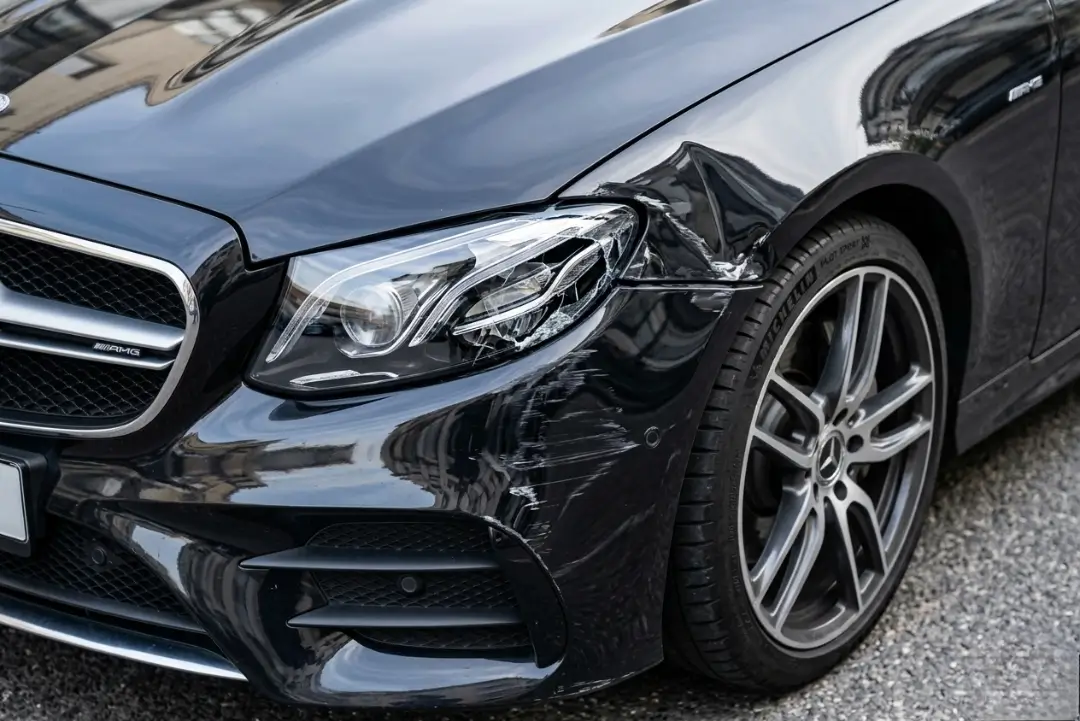
Plastic bumper covers are designed to flex during low-speed impacts. In some cases, the outer surface may appear minor while hidden structural components behind it were damaged.
Professional inspections often uncover issues such as:
- Bent reinforcement bars
- Cracked mounting brackets
- Compressed energy absorbers
- Sensor misalignment
- Hidden moisture intrusion
Cosmetic appearance alone does not always reveal the true extent of impact damage.
Hidden Problems That Can Exist Behind a Cracked Bumper
Bent Reinforcement Bars
Even small parking lot collisions can sometimes bend the impact beam underneath the bumper cover.
This may reduce the bumper system’s ability to absorb energy during another accident.
Broken Mounting Points
Clips, retainers, and brackets may crack or loosen after an impact.
This can cause:
- Loose bumper fitment
- Vibration issues
- Misalignment
- Reduced structural stability
Sensor Misalignment
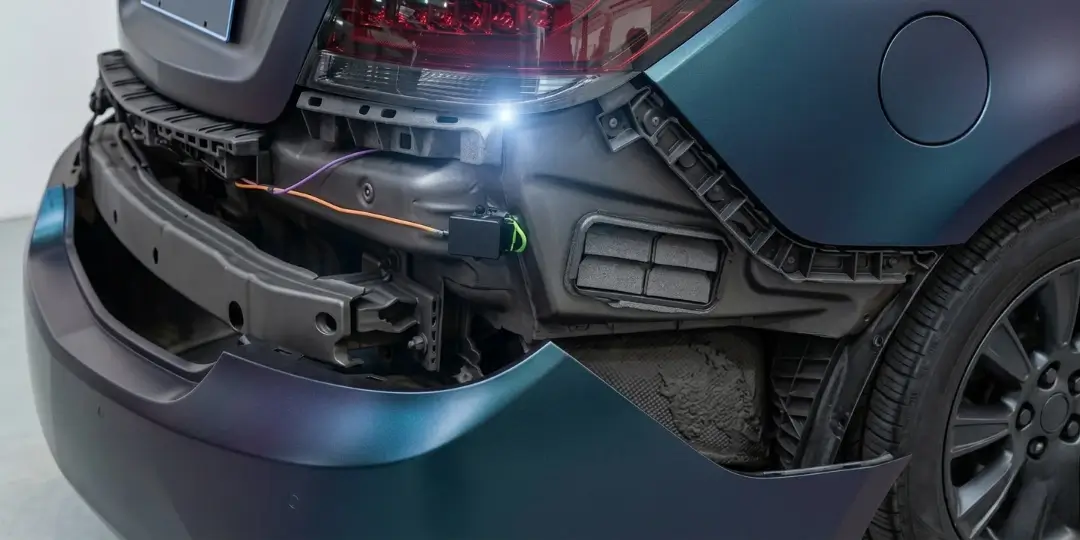
ADAS systems depend on accurate sensor positioning.
Minor bumper movement can affect:
- Blind spot monitoring
- Parking assist accuracy
- Radar calibration
- Rear traffic alerts
In some situations, sensors may malfunction without immediately triggering dashboard warning lights.
Water Intrusion & Corrosion
Cracks in the bumper cover can sometimes allow moisture to enter internal areas behind the bumper.
Over time, this may contribute to:
- Corrosion on metal components
- Wiring damage
- Sensor issues
- Rust development near exposed structural parts
In coastal areas like Huntington Beach, salt air exposure can accelerate corrosion even faster.
Cosmetic Damage vs. Hidden Structural Damage
| Visible Damage | Possible Hidden Issue |
|---|---|
| Small crack | Bent reinforcement bar |
| Minor dent | Crushed energy absorber |
| Loose bumper | Broken mounting brackets |
| Sensor warning light | ADAS misalignment |
| Paint damage | Moisture intrusion or corrosion |
Exterior appearance does not always reflect internal damage severity.
Why Ignoring Bumper Damage Can Be Risky
Delaying repairs may lead to:
- Reduced crash protection
- Sensor calibration issues
- Water intrusion
- Corrosion development
- Higher repair costs later
Modern bumpers are designed as part of the vehicle’s overall safety system—not just cosmetic panels.
Modern Bumpers Are Part of the Vehicle’s Safety System
Today’s bumper systems are integrated into:
- Structural energy management
- ADAS technology
- Crash protection systems
- Vehicle safety engineering
Proper repairs often require more than replacing plastic components. Depending on the impact, repairs may also involve structural inspections and ADAS recalibration procedures to restore OEM safety standards.
Real-World Insight
In many cases, vehicles arrive with what initially appears to be minor bumper damage, but inspections reveal hidden problems underneath.
This is especially common after:
- Parking lot impacts
- Low-speed rear-end collisions
- Fender benders
- Curb or object strikes
Minor-looking bumper damage can sometimes involve much more than the visible crack alone, especially when drivers attempt temporary solutions or wonder whether DIY hacks can fix a bumper dent without addressing hidden structural damage.
Local Insight: Bumper Damage in Huntington Beach
In Huntington Beach and surrounding coastal areas:
- Parking lot incidents are common
- Salt air exposure can accelerate corrosion
- UV exposure can weaken damaged plastic over time
- Stop-and-go traffic increases low-speed collision risk
Even small bumper cracks should not always be ignored—especially on vehicles equipped with ADAS technology.
Frequently Asked Questions
Is it safe to drive with a cracked bumper?
Sometimes, but it depends on whether hidden structural or sensor components were damaged during the impact.
Can a cracked bumper affect safety?
Yes. Depending on the location and severity of the impact, damage may affect reinforcement components, mounting structures, or ADAS systems.
What is behind a bumper cover?
Modern bumpers often contain reinforcement bars, energy absorbers, brackets, radar sensors, and wiring related to safety systems.
Can bumper damage affect blind spot sensors?
Yes. Even small shifts in bumper positioning may affect sensor alignment and calibration accuracy.
Can water damage occur through a cracked bumper?
Yes. Moisture may enter through damaged areas and potentially affect wiring, sensors, or exposed metal components over time.
Do I need an inspection after a minor bumper impact?
A professional inspection is recommended whenever there is visible cracking, looseness, sensor issues, or a noticeable impact.
The Real Decision
Cosmetic Damage May Be Minor If:
- Damage is superficial
- No warning lights appear
- The bumper remains secure
- There are no sensor issues
Inspection Is Important If:
- The bumper is cracked or loose
- Sensors behave differently
- Warning lights appear
- The impact felt stronger than expected
- Gaps or alignment issues are visible
The safest approach is verifying what’s happening underneath the bumper cover—not relying only on exterior appearance.
Final Recommendation
A cracked bumper may seem cosmetic, but modern bumpers are engineered safety systems designed to absorb impact energy and support vehicle technology.
The real concern is often what cannot be seen immediately after the collision.
Hidden damage may involve:
- Structural components
- Energy absorbers
- Mounting systems
- Sensor alignment
- ADAS calibration
A professional inspection helps determine whether the damage is truly minor—or whether bumper repair or replacement is needed to maintain vehicle safety.
Expert Bumper Repair in Huntington Beach
At ER Collision & Auto Body Shop in Huntington Beach, CA, Erik Reyna & his team provide professional bumper inspections and repairs for modern vehicles equipped with advanced safety technology.
With 15+ years of experience and I-CAR Gold Certification, our team provides:
✔ Bumper repair and replacement
✔ Structural component inspections
✔ ADAS-aware repair procedures
✔ Sensor-safe repair techniques
✔ Honest damage assessments
Not sure whether your bumper damage is only cosmetic? Our team can inspect the vehicle and help identify what may be happening beneath the surface.