Classic car restoration projects in Huntington Beach can range from approximately $20,000 for targeted work to more than $150,000 for a complete frame-off or show-quality restoration.
Comprehensive professional restorations commonly cost $50,000 to $120,000+.
The final price depends primarily on the vehicle’s condition, hidden damage, parts availability, restoration level, and required labor.
Because previous paint, filler, carpeting, and undercoating can conceal damage, a dependable estimate requires an inspection of the individual vehicle.
Typical Classic Car Restoration Cost Ranges
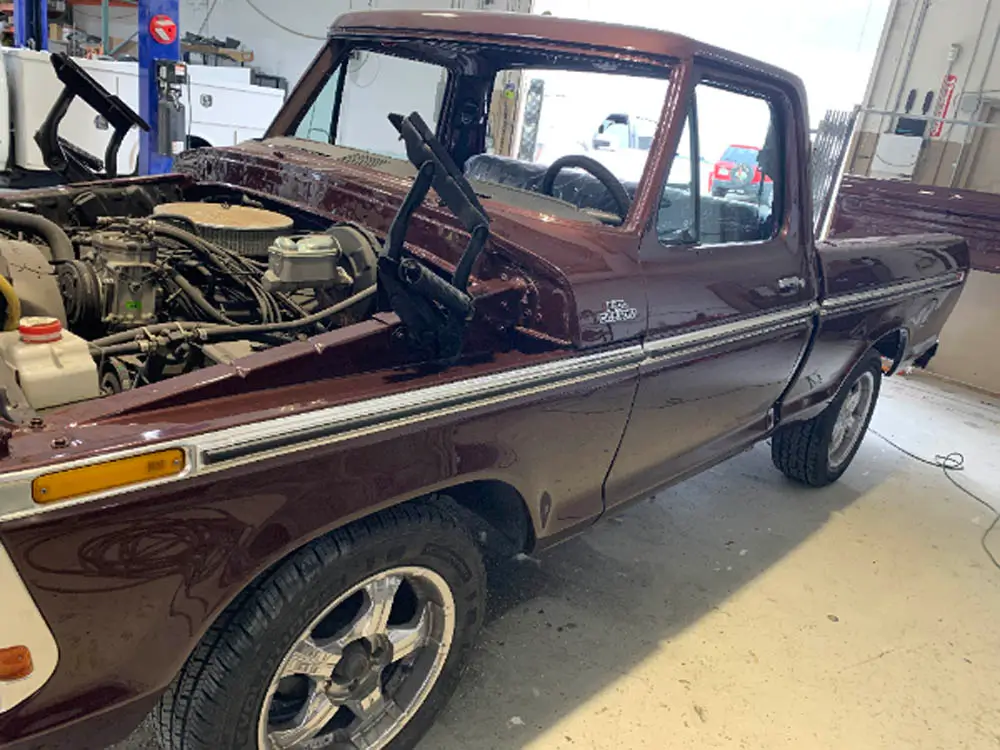
These figures are planning ranges, not guaranteed prices. The vehicle’s condition can affect the budget as much as the desired finish.
| Restoration level | Typical range | Common goal |
| Targeted or partial project | $20,000–$50,000 | Selected safety, mechanical, body, paint, or interior improvements |
| Comprehensive driver-quality restoration | $50,000–$100,000+ | Restore multiple systems for dependable use and a high-quality appearance |
| Frame-off or show-quality restoration | $100,000–$150,000+ | Extensive disassembly, structural repair, refinishing, and detailed reassembly |
| Concours or highly customized build | $150,000–$300,000+ | Exceptional accuracy, rare parts, fabrication, or competition-level detailing |
Transportation, taxes, rare-part sourcing, specialist services, and repairs discovered after teardown may be priced separately.
At ER Collision and Auto Body Shop in Huntington Beach, restoration estimates are developed after inspecting the vehicle and discussing how the owner plans to use it.
According to Hagerty, a professional concours restoration now typically involves 4,000–5,000 hours of labor. With top-tier shops charging $135 per hour, labor remains the primary cost factor in any high-end restoration project.
The key takeaway: every restoration is unique, and accurate pricing depends on inspection.
What Determines Classic Car Restoration Cost?
1. Vehicle condition
The starting condition is usually the largest cost variable. A running, complete car with a solid frame or unibody provides a more predictable foundation than an abandoned project or vehicle delivered in boxes.
During an inspection, the shop should determine:
- Whether the car is complete
- Whether it runs and drives
- Whether previous repairs or modifications are present
- Whether important trim, glass, gauges, and interior parts are missing
In restoration work, the visible condition does not always reveal the true scope. Previous bodywork can conceal corrosion or repairs that must be corrected after disassembly.
See our guide to common classic car restoration problems and their solutions for examples of issues often uncovered during a project.
2. Rust and structural damage
Light surface corrosion is different from rust that has weakened floor pans, rocker panels, frame rails, window channels, or suspension mounting points.
Structural rust may require cutting out damaged metal, fabricating or fitting replacement sections, welding, alignment checks, and corrosion protection.
Accessing these areas can also require the removal of glass, wiring, interior materials, or mechanical components.
On vehicles stored near Huntington Beach and other coastal Orange County communities, areas that can retain moisture deserve particular attention, including seams, lower body panels, window channels, floors, and mounting points.
3. Parts availability
Popular American classics often have strong reproduction-parts support. Rare European cars, vintage imports, and low-production models may require original-component rebuilding, used or new-old-stock parts, international sourcing, or custom fabrication.
Purchase price is not the only consideration. A lower-priced reproduction panel that fits poorly may require more preparation and labor than a better-quality part.
Before buying an incomplete restoration candidate, check the availability of its body panels, trim, glass, mechanical components, and interior pieces.
4. Restoration level and intended use
A weekend driver does not need the same historical accuracy or detailing as a judged show car.
Common goals include dependable driving, survivor preservation, factory-correct restoration, show competition, resale preparation, or restomod customization.
Defining the goal early prevents spending on details that do not support the owner’s intended use.
5. Labor, paint, and fabrication
Restoration is labor-intensive because disassembly, metalwork, panel alignment, surface preparation, refinishing, and reassembly often require hands-on skilled work.
Paint cost depends on the amount of old coating and body filler that must be removed, the condition of the underlying metal, panel straightness, color choice, and desired finish quality.
A color change can add substantial labor because door jambs, the trunk, engine compartment, and other concealed areas may also need refinishing.
Custom colors, multi-stage finishes, and show-level panel correction require additional materials and preparation.
6. Mechanical, electrical, and interior work
A restored appearance does not automatically make a classic car safe or dependable.
Depending on its condition, it may need work on the brakes, steering, suspension, engine, cooling, fuel system, transmission, wiring, gauges, seals, hoses, and bushings.
Long-stored cars may have contaminated fuel systems, corroded grounds, dry seals, deteriorated rubber, or seized hydraulic components.
Interior and trim costs can also accumulate quickly. Upholstery, carpet, headliners, dashboards, weatherstripping, glass mechanisms, moldings, emblems, handles, and hardware may each require repair or replacement.
Owners considering modern braking, cooling, suspension, or comfort improvements should budget separately.
Our guide to restomod upgrade ideas for classic cars explains how options such as disc brakes, electronic fuel injection, updated suspension, air conditioning, and electrical improvements can affect the project scope.
What Hidden Costs Should Owners Expect?
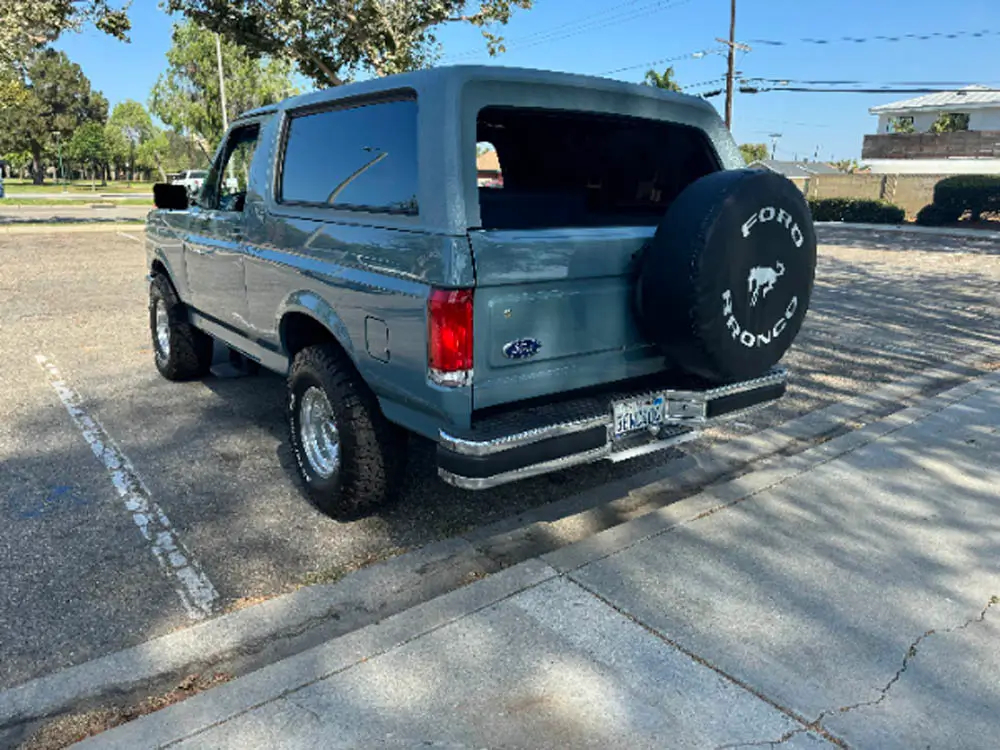
Unexpected costs are most commonly discovered after controlled disassembly. Examples include:
- Rust beneath paint, filler, carpet, or undercoating
- Previous repairs that must be removed
- Missing brackets, fasteners, trim, or wiring
- Replacement panels requiring extensive fitting
- Glass damaged during earlier installation
- Mechanical components that cannot be rebuilt
- Transportation, storage, or outside specialist work
Before authorizing work, ask how discoveries will be documented, who must approve additional repairs, and whether the project will pause before exceeding the agreed scope.
What Should a Restoration Estimate Include?
A written estimate or phase-based project plan should identify:
- The restoration goal and initial scope
- Labor, parts, and material allowances
- Work excluded from the estimate
- Inspection or teardown charges
- The process for documenting hidden damage
- Change-order approval requirements
- Payment schedule
- Project phases
- Warranty terms and exclusions
For extensive projects, a phase-based estimate is often more realistic than a fixed price established before disassembly.
Typical phases include inspection, disassembly, structural repair, mechanical work, body and paint, interior work, reassembly, and testing.
How Can Owners Control Restoration Costs?
Start with one clear goal and the most complete, structurally sound vehicle you can reasonably obtain. Usable glass, complete trim, and rebuildable components can reduce sourcing and fabrication expenses.
Decide where originality is essential, identify acceptable reproduction parts or upgrades, and avoid changing paint, drivetrain, or interior plans mid-project.
Approve work in documented phases, request progress photographs, and maintain a contingency reserve based on the vehicle’s condition.
Is Restoring a Classic Car Worth It?
Restoration can be worthwhile when the vehicle has personal significance, is structurally suitable, and the finished result matches the owner’s intended use.
However, restoration should not automatically be treated as a guaranteed financial investment. Extensive rust repair, rare parts, and custom work can cause the project cost to exceed the vehicle’s eventual resale value.
Before beginning, compare the projected restoration cost with the price of a comparable completed vehicle. Personal history, preferred specifications, and confidence in the completed work may still make restoration the right choice.
Classic Car Restoration Estimates in Huntington Beach
ER Collision and Auto Body Shop serves classic car owners throughout Orange County from our Huntington Beach location.
Backed by 15+ years of collision repair experience and I-CAR Gold Class recognition, our team applies established structural, bodywork, and refinishing practices to each approved restoration scope.
Depending on the vehicle, our classic car restoration services can include rust repair, metal fabrication, bodywork, refinishing, mechanical work, and project coordination.
Contact us to schedule an inspection and discuss the appropriate restoration plan and budget for your classic car.
Frequently Asked Questions
Can a classic car be restored for $20,000?
Possibly, if it is complete, structurally sound, and needs limited mechanical, safety, or cosmetic work. A full frame-off restoration is unlikely to fit within that budget.
Why can a restoration estimate change after teardown?
Paint, filler, carpeting, trim, and previous repairs can conceal corrosion or structural damage. Teardown allows the shop to inspect areas that were previously inaccessible.
Does the restoration price include parts?
It depends on the estimate. Confirm whether parts, paint materials, taxes, transportation, specialist services, and unexpected repairs are included or charged separately.
How long does a classic car restoration take?
The timeline depends on the scope, parts availability, fabrication needs, outside specialist work, and discoveries made during disassembly.
A shop should provide a project sequence rather than promise a completion date before the vehicle has been thoroughly evaluated.
Note: this article is for informational purpose, prices estimates just for informational purpose, they are not shop estimates, depend upon inspection of vehicles.