Can Insurance Cover Car Paint Damage?
Yes—but insurance will only pay for car paint damage if you can prove it was caused by a specific, sudden event (not wear, fading, or neglect).
- Comprehensive insurance → vandalism, weather, falling objects
- Collision insurance → accidents and impacts
- Liability (other driver at fault)
If the damage looks gradual (fading, oxidation, peeling over time), insurance will almost always deny the claim.
For example, issues like sun exposure and oxidation are typically classified as wear and tear and won’t qualify for coverage. If you’re dealing with this type of issue, here’s a breakdown on how to fix sun damaged car paint.
Most people don’t get their paint damage covered—not because they don’t have coverage, but because they fail to prove the cause correctly or handle the claim strategically.
This 2026 guide shows you exactly how to get your claim approved, avoid adjuster pushback, and maximize your payout.
The #1 Rule Insurance Companies Use
Insurance pays for events—not conditions
- “My paint is damaged” → NOT covered
- “My car was keyed yesterday” → Covered
Pro Insight (From Body Shop Experience): Adjusters are trained to look for signs of pre-existing damage. If they see oxidation, fading, or uneven wear, they may classify your claim as maintenance-related—even if part of the damage is valid.
What Types of Paint Damage Are Actually Covered?
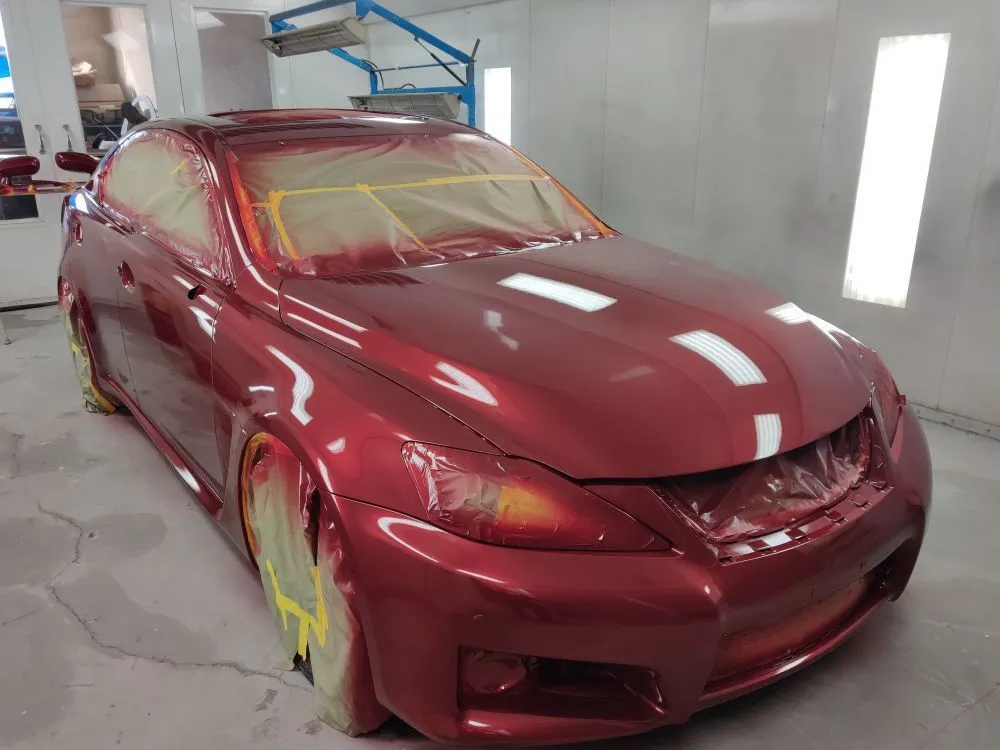
Covered (If Properly Documented)
Comprehensive Claims
- Key scratches (vandalism)
- Spray paint or intentional damage
- Tree sap, bird droppings (if sudden/severe)
- Weather-related damage (hail, debris)
Collision Claims
- Scrapes from impact
- Paint transfer from another vehicle
- Damage from hitting objects
Third-Party Liability
- Another driver caused the damage
- Parking lot accidents
- Hit-and-run (if uninsured motorist applies)
Not Covered (Common Denial Reasons)
- Sun damage or fading
- Oxidation or clear coat failure
- Poor previous paint job
- Long-term neglect
Even if the damage looks bad, if it developed over time, insurance will deny it as “standard wear and tear.
Step-by-Step: How to Get Your Paint Damage Claim Approved
1. Lock in the Cause Immediately (This Is Critical)
Before doing anything else, define the cause:
- “Someone keyed my car”
- “A branch fell on my hood”
- “Another vehicle scraped my bumper”
Pro Insight: If you delay and the damage sits for days or weeks, adjusters may argue it’s old damage, which weakens your claim.
2. Document Like You’re Building a Case
Take:
- Wide-angle photos (context)
- Close-ups (detail)
- Time-stamped images if possible
Also collect:
- Report (for vandalism)
- Witness info (if applicable)
The goal is to prove: This damage happened recently and from a specific event.
3. Get a Strategic Estimate (Not Just Any Estimate)
Don’t just get a price—get a detailed line-item estimate that includes:
- Paint labor
- Materials
- Blending adjacent panels
- Clear coat refinishing
Working with a professional car paint shop ensures your estimate is written correctly and includes everything insurance companies often try to exclude.
Pro Insight (Very Important): Insurance companies often reduce payouts if panel blending is not clearly written. A weak estimate can cost you hundreds.
4. File the Claim the Right Way
When submitting your claim:
✔ Be precise
✔ Stick to facts
✔ Avoid guessing
Example:
“Damage occurred due to vandalism on [date], with visible scratches on driver-side panel.”
Avoid:
- “I think it happened…”
- “It might be old…”
Uncertainty = denial risk
5. Understand the Adjuster’s Strategy
Adjusters are trained to:
- Minimize claim payouts
- Look for pre-existing damage
- Question cause vs condition
Common Tactics:
- Calling damage “wear and tear”
- Ignoring blending costs
- Approving partial repairs only
Pro Insight: If oxidation or sun damage exists near the affected area, adjusters may try to deny the entire claim—even if part of the damage is valid.
6. Push Back If the Estimate Is Too Low
If the insurance estimate is low:
- Request a supplement
- Provide a second professional estimate
- Ask your body shop to negotiate directly
This is standard in the industry—don’t accept the first number blindly.
Insurance vs Out-of-Pocket: What’s Smarter?
| Situation | Use Insurance | Pay Yourself |
| Minor scratches | No | Yes |
| Moderate damage | Depends | Yes |
| Full panel repaint | Yes | No |
| Cost below deductible | No | Yes |
Rule: If repair cost is significantly higher than your deductible, insurance usually makes sense.
However, if you’re considering paying out-of-pocket, you may also want to evaluate whether the repair will actually increase your vehicle’s value—this guide explains whether a new paint job increases car resale value and when it’s worth the investment.
What If Insurance Says “Wear and Tear”?
This is the most common denial.
Solution:
- Show recent photos (before damage)
- Provide proof of sudden event
- Use professional inspection report
What If Only Part of the Damage Is Covered?
Insurance may approve:
- Scratch repair
But deny: - Full repaint or blending
You may need to cover the difference out-of-pocket.
What If Your Claim Gets Denied?

You can:
- Request reconsideration
- Provide additional evidence
- Get a second opinion
Cost of Paint Repair
- Minor scratch repair → $150–$500
- Panel repaint → $400–$1,500
- Full repaint → $1,500–$4,000+
If you’re unsure what your repair might cost, you can review a detailed breakdown of car paint cost and pricing factors.
This is why properly handling your car paint insurance claim matters.
Expert Tips to Maximize Your Claim
- File immediately after damage
- Never leave the cause unclear
- Use certified body shop estimates
- Don’t accept the first payout
- Keep all documentation organized
Frequently Asked Questions
Does insurance cover paint scratches?
Yes, if caused by a specific incident like a collision, vandalism, or falling object. Minor chips or wear from everyday driving are not covered.
Can I file an insurance claim for paint damage?
Yes, if tied to a single event. You’ll need photos, details of the incident, or a report for vandalism to support your claim.
Will insurance pay for a full new paint job?
Only if the damage is severe and caused by a covered event. Cosmetic repainting or color changes for personal preference are not covered.
Will insurance cover faded or peeling paint?
No. Fading, oxidation, or peeling clear coat are considered wear and tear from sun exposure and age, not sudden damage.
Is it worth filing a claim for minor paint damage?
It depends on your deductible. If repair costs are lower than your deductible, you’ll pay out of pocket and risk potential premium increases.
Does insurance cover paint blending between panels?
Yes, when necessary for color matching. Professional shops often work with insurers to include blending for a seamless, factory-quality finish.
How do I claim insurance for my own car’s paint damage?
Report the incident promptly, document damage with photos, get a repair estimate, and submit details to your insurer for approval.
Can I choose my own auto body shop in California?
Yes. Under the California Insurance Code, you have the legal right to choose any repair shop for your vehicle’s restoration. You are not required to use the insurance company’s recommended provider.
Why do insurance companies deny car paint damage claims?
Insurance companies often deny car paint damage claims when the damage appears gradual rather than caused by a specific sudden event. Issues like fading, oxidation, peeling, or long-term wear are usually considered maintenance-related, not covered damage.
Final Recommendation
Getting insurance to pay for paint damage isn’t about luck—it’s about strategy, documentation, and understanding how claims actually work.
Most denials happen because the claim is weak—not because coverage doesn’t exist.
Need Help With Insurance Paint Claims?
At ER Collision & Auto Body Shop in Huntington Beach, CA, we deal with insurance companies daily and understand exactly how to structure claims for proper approval.
With 15+ years of experience and I-CAR Gold Certification, we help with:
- Insurance-approved estimates
- OEM paint matching and refinishing
- Claim documentation support
- Full collision and paint repair
If you’re looking for a trusted team, check our professional car paint shop services.
If your paint damage qualifies, we make sure the claim is handled correctly—so you don’t leave money on the table.