Static ADAS calibration is performed while the vehicle remains stationary. Dynamic calibration is performed while the vehicle is driven under specified conditions. The manufacturer determines which procedure applies to the affected system, and some vehicles require both.
Price or convenience should not override the manufacturer’s instructions. The selected procedure must be permitted for the vehicle, affected system, and repair performed.
To arrange service, explore our ADAS calibration services in Huntington Beach.
Static vs. Dynamic Calibration: The Main Differences
| Attribute | Static calibration | Dynamic calibration |
|---|---|---|
| Vehicle movement | Stationary | Driven under specified conditions |
| Reference | Specified targets, reflectors, or setup | Road features and operating inputs specified by the manufacturer |
| Main constraints | Workspace, measurements, surroundings, and preparation | Speed, visibility, road conditions, and preparation |
| Scan-tool involvement | When specified | When specified |
| Completion | Manufacturer-defined results and checks | Manufacturer-defined results and checks |
Neither method is universally better. Different systems are designed around different procedures.
I-CAR explains the setup and operating considerations for static calibration and dynamic calibration.
What Is Static ADAS Calibration?
Static ADAS calibration is a procedure performed with the vehicle stationary, using the manufacturer-specified setup and any required targets or reflectors.
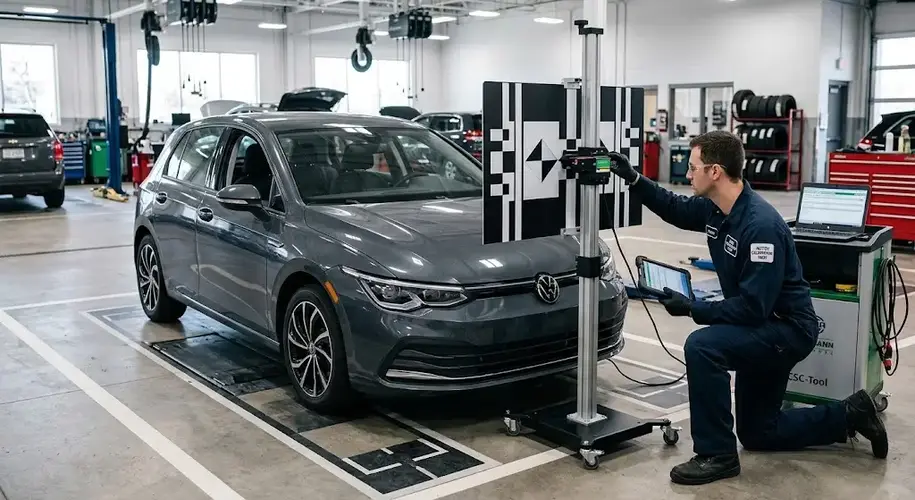
The procedure may use a scan tool to initiate or monitor calibration. Other systems have different setup or aiming requirements.
What Must Be Ready Before Static Calibration?
Before starting, the technician confirms that the vehicle, workspace, and equipment meet the procedure’s prerequisites. Reference points and measurements are system-specific, so a setup used for another vehicle may not apply.
For a closer look at driveway and onsite restrictions, see our mobile calibration guide.
What Is Dynamic ADAS Calibration?
Dynamic calibration requires driving under conditions specified by the manufacturer. Some procedures also require a connected scan tool to start or monitor the routine.
It differs from a normal post-repair road test because the system must satisfy defined calibration criteria.
Depending on the procedure, required conditions can involve:
- A particular speed or operating range.
- Suitable weather and visibility.
- Recognizable lane markings or other specified inputs.
- Particular vehicle preparation.
- Scan-tool monitoring or completion messages.
Not every dynamic procedure uses the same road features.
How Is Dynamic Calibration Completion Established?
Completion depends on the manufacturer-defined result, which may be shown through scan-tool information, system status, or prescribed checks. If the required conditions or result were not achieved, the routine remains unfinished—even if the drive ended.
Why Do Some Vehicles Require Both Methods?
A system may require a sequence containing stationary and driving stages. Alternatively, different systems on the same vehicle may use different methods.
Where the instructions require both, completing one stage does not finish the process.
Ask whether a listed “road test” refers to dynamic calibration, an operational check, or both. These are not interchangeable terms.
How ADAS Calibration Works: Step by Step
1. Identify the Vehicle and Affected Systems
The technician confirms the installed equipment and identifies which systems were affected by the repair.
A windshield-camera procedure does not automatically calibrate bumper radar or surround-view cameras.
2. Retrieve Current Service Instructions
The instructions establish when ADAS calibration is required after repair, along with preparation, equipment, execution, and completion requirements.
Vehicle details and installed options matter. Procedures should not be selected from the model name alone.
3. Inspect Relevant Preconditions
Required checks may involve diagnostic faults, sensor mounting, tire pressure, load, ride height, or alignment.
Conditions that prevent a correct procedure need attention before calibration. After windshield replacement, this may include investigating glass or camera-mounting problems that can interfere with ADAS calibration.
4. Prepare the Workspace or Driving Procedure
For static work, required targets and references are measured.
For dynamic work, the technician establishes whether the prescribed operating conditions can be met.
5. Perform the Required Routine
The applicable procedure is completed for each affected system. Some vehicles require more than one setup or stage.
6. Verify and Document Completion
The technician records the procedure’s result, applicable follow-up checks, and any remaining faults or unfinished work. Cleared fault codes alone do not establish completion.
How Long Does ADAS Calibration Take?
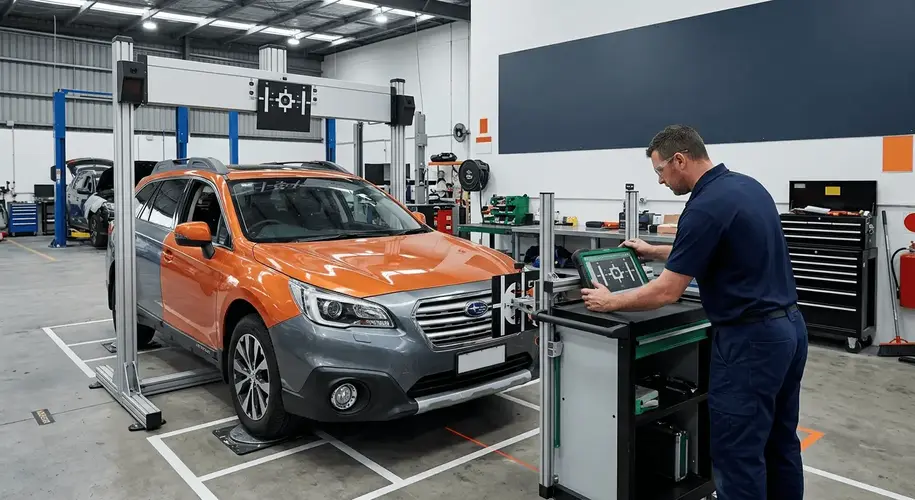
ADAS calibration time varies with the number of systems, setup complexity, required driving conditions, and any corrective work or diagnosis needed. Request a vehicle-specific estimate.
| Appointment factor | How it can affect time |
|---|---|
| One or several systems | Multiple systems may require separate procedures |
| Static target setup | Measurements and target changes add preparation time |
| Dynamic procedure | Traffic and visibility can delay completion |
| Combined requirements | Every required stage must be completed |
| Corrective work | Mounting, alignment, or installation problems may need attention |
| Further diagnosis | An unsuccessful attempt requires investigation |
Clarify whether the quoted time means billed labor, active procedure time, or the total appointment.
If a procedure cannot be completed, ask what condition prevented it and whether the next step is a setup correction, vehicle repair, further diagnosis, or another driving attempt. Request an explanation of how that changes the estimate and appointment.
Frequently Asked Questions
Does successful calibration mean ADAS will work in every condition?
No. Successful calibration does not remove the system’s operating limitations or replace the driver’s responsibilities. Follow the vehicle’s owner’s manual.
Find the Right Calibration Procedure for Your Vehicle
Get clarity on the required method, preparation, and completion records. Erik Reyna and the team at ER Collision and Auto Body Shop bring more than 15 years of collision repair experience at our I-CAR Gold Class recognized Huntington Beach facility.
Share your VIN and repair details so we can identify the applicable static, dynamic, or combined calibration requirements.