Brake squeaking is one of the most common concerns drivers experience. In many cases, it’s minor and temporary. In other situations, it can signal brake pad wear or hardware issues that require attention.
If your brakes are making noise, understanding the cause helps you decide whether it’s normal — or something that needs inspection.
Is It Normal for Brakes to Squeak?
Sometimes, yes.
Light squeaking can occur due to:
- Moisture on the rotors after rain
- Overnight condensation
- Surface rust forming temporarily
- Cold morning temperatures
When this happens, the noise typically disappears after a few stops once friction clears the rotor surface.
If squeaking continues during normal driving, it may indicate something more than moisture. In many cases, persistent noise is related to brake pad wear, which is why understanding how long brake pads typically last can help you determine whether service is due.
Most Common Causes of Brake Squeaking
Worn Brake Pads
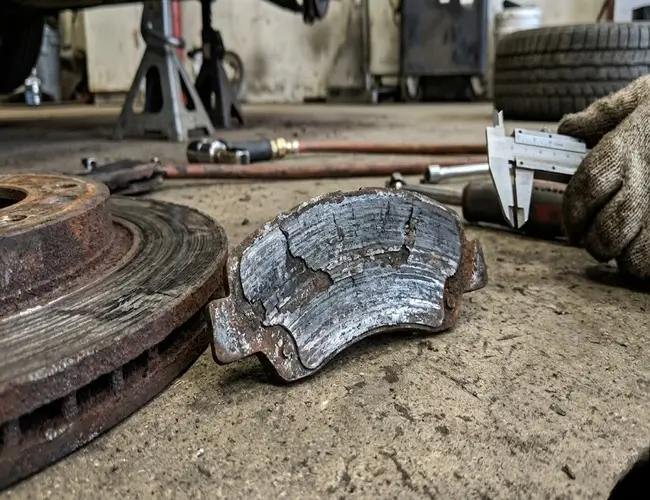
Brake pads include a small metal wear indicator. When pads become thin (around 3mm), the indicator contacts the rotor and creates a high-pitched squeal.
This is an early warning system — not something to ignore.
If left too long, worn pads can damage rotors and increase repair costs. Scheduling a professional brake inspection and repair service early can prevent more expensive damage later.
Brake Pad Material
Different pad types produce different noise levels.
- Semi-metallic pads can be slightly noisier
- Ceramic pads tend to be quieter
- Lower-grade materials may squeal more frequently
Noise alone doesn’t always mean something is failing — material composition plays a role.
Glazed Brake Pads or Rotors
Excessive heat from aggressive braking can harden (or “glaze”) the pad surface.
This reduces friction performance and may create squealing or squeaking sounds.
Glazing often happens in stop-and-go traffic or after repeated hard braking. If your vehicle is frequently exposed to heavy driving conditions, combining regular brake inspections with routine maintenance like oil changes can help keep overall vehicle performance balanced.
Dust or Debris Between Components
Small debris, brake dust buildup, or corrosion around hardware can cause noise.
In some cases, a simple inspection and cleaning resolves the issue.
Lack of Proper Hardware Lubrication
Brake systems include small metal clips and contact points.
If hardware is improperly installed or lacks proper lubrication, vibration can produce squeaking.
Professional brake service includes checking these contact points carefully.
According to AAA, faulty installation or maintenance of calipers, pads, or rotors can lead to squeaking
Why Do My Brakes Squeak Only in the Morning?
This is one of the most common questions drivers ask.
Moisture from overnight air can cause a thin layer of surface rust on rotors. The first few stops scrape it away, sometimes producing temporary noise.
If the sound disappears quickly, it’s typically not a safety concern.
Persistent squeaking during normal dry driving is different and should be inspected.
Can I Keep Driving If My Brakes Are Squeaking?
It depends on the cause.
Temporary moisture-related noise is usually harmless.
However, if squeaking is:
- Constant
- Getting louder
- Paired with grinding
- Accompanied by vibration
- Associated with longer stopping distance
Then it’s time for inspection.
Ignoring worn brake pads can lead to rotor damage and higher repair costs.
What’s the Difference Between Squeaking and Grinding?
Squeaking:
- Often early-stage pad wear
- High-pitched sound
- May be moisture-related
Grinding:
- Deeper, harsh sound
- Metal-on-metal contact
- Immediate attention required
Grinding usually indicates brake pads have worn completely through the friction material.
When Should You Schedule a Brake Inspection?
You should consider inspection if:
- Noise persists beyond a few drives
- Braking performance feels different
- The brake warning light appears
- Your vehicle pulls during braking
Routine inspections once a year help catch early wear before it becomes costly.
How Brake Noise Is Diagnosed
A proper inspection evaluates:
- Brake pad thickness
- Rotor condition and thickness
- Caliper operation
- Hardware condition
- Brake fluid condition
- ABS warning codes (if present)
Accurate diagnosis ensures the correct repair is performed — not unnecessary replacements.
Frequently Asked Questions
Why are my brakes squeaking but still stopping fine?
Early pad wear indicators can produce squealing even before performance noticeably declines.
Are squeaky brakes dangerous?
Temporary moisture-related noise is usually not dangerous. Persistent squeaking from worn pads should be inspected.
Why do new brake pads sometimes squeak?
New pads may produce minor noise during break-in. Proper bedding procedures reduce this.
Does brake fluid cause squeaking?
Brake fluid contamination typically affects pedal feel, not squeaking. Noise is more commonly related to pads, rotors, or hardware.
Brake Noise Inspection in Huntington Beach
If your brakes are making persistent noise, a professional inspection can determine whether it’s normal wear or something that requires service.
At ER Collision & Auto Body Shop, our experienced team provides accurate brake inspections and same-day brake repair for drivers in Huntington Beach and surrounding Orange County communities.
Catching brake noise early often prevents more expensive repairs later.
In addition to brake repair, we provide complete car mechanical repair services for drivers throughout Huntington Beach and surrounding Orange County communities.