“Is it really that bad if I go a little over?”
It’s one of the most common questions drivers ask — especially when life gets busy.
Maybe you’re 1,000 miles overdue.
Maybe the oil light has been on for weeks or you’re wondering if skipping just one oil change can actually hurt anything.
The honest answer:
One small delay usually isn’t catastrophic.
Repeated delays are.
At ER Collision and Auto Body Shop in Huntington Beach, we’ve seen engines last well beyond 200,000 miles with proper maintenance — and we’ve also seen engines develop premature wear simply because oil service was stretched too far, too often.
Let’s break down what actually happens inside your engine when oil changes are skipped.
What Engine Oil Actually Does
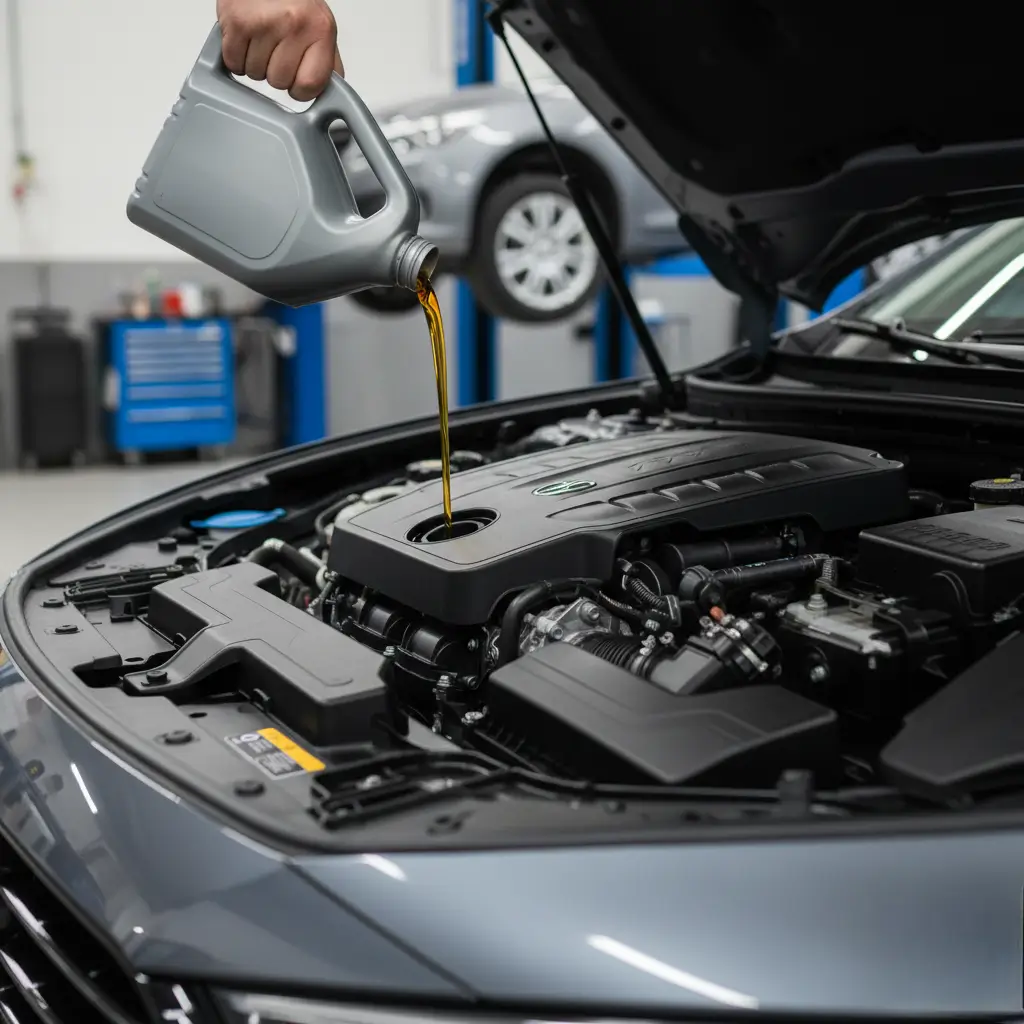
Motor oil isn’t just a lubricant.
It:
- Reduces friction between moving metal components
- Absorbs and redistributes heat
- Suspends dirt and combustion byproducts
- Prevents corrosion
- Protects timing components and bearings
When oil is fresh, it maintains proper viscosity and contains additives that prevent breakdown.
As oil ages, those additives degrade.
Stage 1: Oil Breakdown & Reduced Lubrication
When oil stays in service too long:
- Heat causes oxidation
- Additives degrade and can no longer neutralize acids
- Viscosity changes
- Contaminants accumulate
According to SAE International research (Technical Paper 600190), the detergents and additives in your oil are the primary defense against “cold start corrosion.”
When you skip an oil change, these additives are used up, leaving your engine internal components vulnerable to the corrosive byproducts of combustion.
At this stage, damage is usually minor—but the chemical protection is gone.
Most drivers won’t notice anything yet.
Stage 2: Sludge Formation
If oil change intervals continue to be extended:
- Oxidized oil thickens
- Sludge begins forming
- Oil passages can narrow
Sludge reduces proper oil flow to:
- Camshafts
- Lifters
- Bearings
- Timing chain components
We’ve seen engines with restricted oil passages simply because intervals were repeatedly pushed beyond manufacturer recommendations.
Sludge doesn’t form overnight — it develops gradually when oil degradation is ignored.
Stage 3: Increased Engine Wear
As lubrication weakens:
- Metal-on-metal contact increases
- Bearing wear accelerates
- Timing chain tensioners strain
- Heat builds internally
Over time, this can lead to:
- Engine noise or ticking
- Reduced fuel efficiency
- Performance decline
- Overheating
This is when repair costs begin rising significantly.
Can Skipping One Oil Change Ruin an Engine?

Usually, no.
Going slightly over once is rarely catastrophic.
The real issue is pattern behavior.
Repeatedly extending intervals causes cumulative wear.
Engines are designed with tolerances based on proper lubrication cycles. Ignoring those cycles accelerates long-term wear.
What About Modern Synthetic Oil?
Full synthetic oil is more resistant to breakdown and heat stress.
However, even synthetic oil:
- Oxidizes over time
- Collects contaminants
- Loses additive effectiveness
Some vehicles allow up to 10,000-mile intervals under normal conditions. Severe driving may shorten that range.
If you’re unsure about safe timing, our guide on how often you should change your oil explains interval differences clearly.
Signs You May Have Waited Too Long
Drivers sometimes notice:
- Louder engine operation
- Dark, thick oil on dipstick
- Oil consumption increase
- Burning oil smell
- Oil pressure warning light
By the time warning lights appear, internal stress may already be occurring.
Does the Oil Light Mean It’s Too Late?
There are two types of warnings:
1️⃣ Oil Life Reminder
2️⃣ Oil Pressure Warning Light
An oil life reminder simply indicates scheduled service timing.
An oil pressure warning light signals low pressure — which can indicate serious lubrication problems.
If oil pressure drops significantly, continued driving can cause severe engine damage.
Time-Based Degradation Matters Too
Even if you don’t drive much, oil degrades due to:
- Moisture accumulation
- Oxidation
- Contaminant buildup
Most manufacturers recommend changing oil at least every 6–12 months, even with low mileage.
Why Preventive Oil Service Is So Important
In our Huntington Beach shop, we often see the difference between engines that receive routine service and those that repeatedly delay oil changes.
Engines that follow manufacturer intervals:
- Run smoother
- Maintain proper compression
- Develop less sludge
- Experience fewer internal failures
Oil changes are relatively inexpensive compared to engine repairs.
That’s why routine maintenance remains one of the simplest ways to protect long-term vehicle value.
When performing a professional car oil change service in Huntington Beach, we verify manufacturer oil grade, confirm correct viscosity, and inspect for early signs of wear before problems escalate.
Is It Ever Too Late?
If oil has turned into heavy sludge or oil pressure has dropped significantly, damage may already be present.
However, many engines can recover if maintenance resumes before severe internal scoring occurs.
The earlier intervals are corrected, the better the outcome.
Common Questions Drivers Ask
How long can I drive overdue on an oil change?
A few hundred miles over is usually manageable. Repeatedly exceeding recommended intervals increases wear risk significantly.
Will my engine light come on if oil is bad?
Not always. The oil life reminder tracks usage patterns — not chemical oil condition.
Can skipping oil changes void my warranty?
Yes. Failing to follow manufacturer maintenance schedules may affect warranty coverage.
Is engine sludge fixable?
Early-stage sludge can sometimes be cleaned gradually with proper service. Severe buildup may require mechanical repair.
Protect Your Engine Before Damage Starts
If you’re unsure whether you’re overdue, a quick inspection can determine oil condition and proper service timing.
Serving Huntington Beach, Costa Mesa, Newport Beach, and surrounding Orange County communities, ER Collision and Auto Body Shop provides manufacturer-recommended oil change services designed to protect your engine long term.
Routine oil service may not feel urgent — until it becomes expensive.
Staying on schedule remains one of the simplest ways to prevent avoidable mechanical damage.
In addition to Oil change, we provide complete car mechanical repair services for drivers throughout Huntington Beach and surrounding Orange County communities.