Yes—your car’s AC can be useful during winter because it removes moisture from cabin air and helps clear interior window condensation. On some systems, periodic operation also supports compressor lubrication.
However, there is no universal rule to run every vehicle’s AC for a fixed number of minutes each week. Compressor design, outside temperature, automatic climate controls, and manufacturer instructions determine how the system should operate.
Why AC Can Help When You Want Warm Air
AC removes moisture while the heater warms the air, helping keep the cabin comfortable and the windshield clear.
The AC evaporator removes moisture as air passes over its cold surface. The heating system can then warm that air before it reaches the cabin or windshield. This allows the system to deliver air that is both warmer and drier.
Selecting AC does not necessarily mean the vents must blow cold air. With an appropriate temperature setting, the climate-control system can use AC dehumidification while maintaining cabin warmth.
Your Defrost Setting May Already Activate the AC
Many vehicles automatically request AC operation when you select windshield defrost. Automatic climate control may also manage the compressor without requiring a separate press of the AC button.

At our Huntington Beach shop, drivers sometimes ask why the AC light stays on with the heater running; we explain that the system may be removing moisture to help keep the windshield clear.
For example, Ford’s automatic climate-control instructions explain that the compressor may continue operating during maximum defrost even when AC is switched off. Check your own vehicle’s manual because control behavior varies.
If the windshield remains foggy despite the correct settings, see Why Your Windshield Defogger Isn’t Working for checks involving airflow, heating, and cabin moisture.
Does Winter AC Use Help Lubricate the Compressor?
Yes, on some systems. Compressor operation circulates refrigerant and lubricating oil, but maintenance recommendations vary by compressor design.
Nissens’ winter AC guidance recommends regular cold-season operation for systems equipped with electromagnetic-clutch compressors.
Regular operation does not guarantee protection against leaks or failures. Seals can deteriorate, components can corrode, and electrical or mechanical faults can develop despite regular use.
Follow the vehicle manufacturer’s recommendations rather than applying one maintenance routine to every car.
How Often Should You Run Car AC in Winter?
There is no universal weekly schedule for running car AC in winter. Follow your owner’s manual for any recommended frequency and operating conditions.
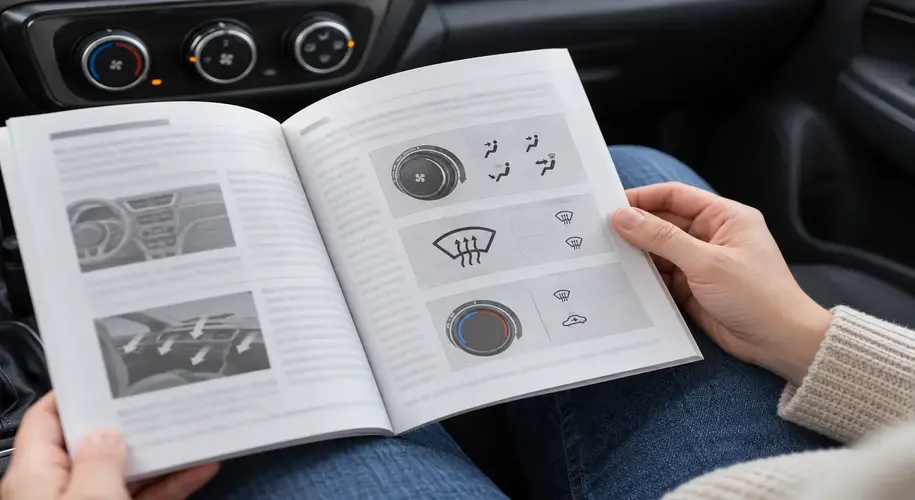
If your vehicle automatically manages AC during normal heating or defrost use, a separate weekly routine may be unnecessary.
Avoid treating advice such as “run it for ten minutes every week” as a universal requirement. The appropriate guidance depends on the system, and pressing the AC button does not guarantee that the compressor will run.
For routine care beyond winter operation, our car AC maintenance and prevention guide explains cabin-filter maintenance, condenser airflow checks, and when to arrange an inspection.
Why the Compressor May Not Run in Cold Weather
Some vehicles restrict compressor operation when outside temperatures fall below a specified threshold. This can be normal control behavior rather than a fault.
One Ford owner’s manual states that AC is inactive below 39°F (4°C), even though the indicator can remain illuminated. That limit applies to the system described in that manual; your vehicle may use a different operating threshold.
At our Huntington Beach shop, we check the outside temperature, defrost settings, and airflow before determining whether a winter AC concern is normal system behavior or a fault that needs repair.
Do not bypass pressure switches, temperature controls, or other protective devices to force the compressor to operate.
Also, not every vehicle has a conventional clutch that visibly engages and disengages. A missing “click” is not enough to diagnose compressor failure.
When Winter AC Behavior Needs Inspection
Arrange an inspection if you notice new abnormal noises, weak airflow, persistent windshield-clearing problems, or poor cooling when temperatures allow normal AC operation.
A compressor that does not run below the vehicle’s cold-weather operating threshold may be behaving normally.
Before your appointment: Record the outside temperature, selected settings, and whether the behavior changes as the vehicle warms up. These details help distinguish normal operating limits from a fault.
Frequently Asked Questions
Why Is the AC Button On When the Heater Is Running?
The system may be using AC to remove moisture while the heater warms the air. On many vehicles, this combination is part of normal automatic climate control or windshield defrost operation.
Does My Car Need a Refrigerant Recharge Before Winter?
Not automatically. Seasonal changes alone do not establish that refrigerant is low. Recharge service should follow the manufacturer’s requirements and diagnostic findings.
Does Using AC in Winter Increase Energy Use?
Yes, when the compressor operates, it uses energy from the engine or the vehicle’s electrical system. The effect varies with the vehicle, temperature, and climate-control demand. Use the settings needed for comfort and clear visibility.
Schedule a Car AC Inspection in Huntington Beach
ER Collision and Auto Body Shop in Huntington Beach provides car AC diagnostics and repair for drivers throughout Orange County. Owner Erik Reyna brings more than 15 years of automotive repair experience.
Request an inspection and share your observations so our team can assess the concern.