A car may be suitable to drive after frame straightening when the repair follows applicable vehicle-manufacturer procedures, structural dimensions meet the required specifications, and identified mechanical, restraint and electronic-system work has been completed.
Straightening alone does not establish that a specific vehicle is ready for the road.
Whether a particular vehicle is safe to drive cannot be determined from its appearance or accident photographs alone.
Before collecting the car, ask what was repaired, how the work was verified, and whether any required operations remain unfinished.
A straight steering wheel, matching panel gaps or the absence of warning lights cannot answer those questions by themselves.
When concerns remain, a post-repair structural inspection in Huntington Beach can evaluate the available repair records, reported symptoms, and accessible components.
What Determines Whether the Frame Repair is Suitable?
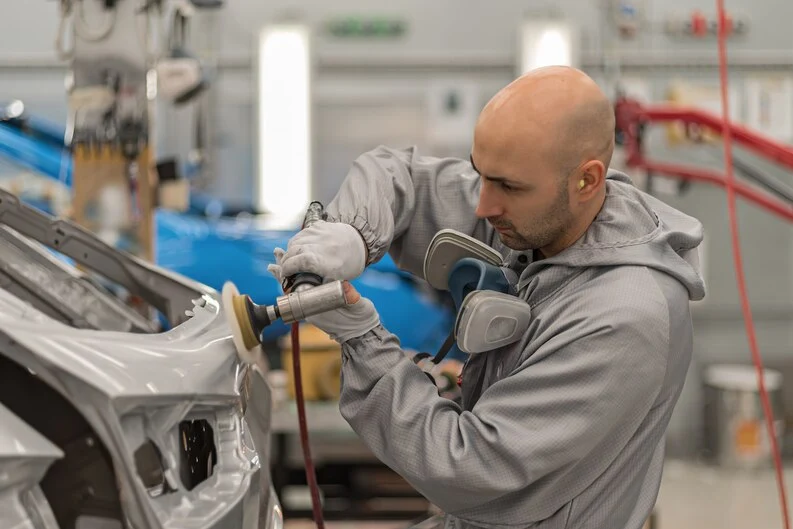
The repair method should match the vehicle’s construction, damaged component, material, and manufacturer instructions. Not every bent structural component is eligible for straightening.
“Frame repair” can describe work involving a separate truck frame, integrated unibody structure, structural rail, or bolt-on subframe. These components have different functions and repair requirements.
The repair facility should identify which parts were corrected and which were replaced. Material type, cracks, deformation, damage location, and manufacturer restrictions can affect that decision.
Ask for an explanation specific to your vehicle. Returning a component to its original position does not prove that the chosen repair method was appropriate.
What Should be Checked Before the Car Returns to the Road?
The completed repair should be verified across the structure and any affected mechanical, restraint, or electronic systems. The required checks depend on the collision damage and vehicle.
| Area | What should be verified |
|---|---|
| Structural dimensions | Applicable reference points meet manufacturer specifications |
| Repaired or replaced parts | Required repair and attachment procedures were followed |
| Steering and suspension | Damaged parts and mounting areas were addressed |
| Wheel alignment | Applicable alignment readings meet specifications |
| Restraint systems | Required airbag, seat-belt, sensor, and related work is complete |
| Driver-assistance systems | Required aiming, calibration, and verification are complete |
| Coatings and seams | Disturbed corrosion protection and sealing were restored |
At ER Collision and Auto Body Shop, we do not treat a straight steering wheel or normal-looking panel gaps as the only evidence that structural work is complete. For applicable repairs, our Huntington Beach team can use Car-O-Liner computerized measuring equipment and reviews structural results together with relevant alignment, diagnostic, and calibration documentation. The required checks depend on the vehicle, damaged components, and manufacturer repair information.
This does not mean every car requires identical operations. The repair plan should identify what applies to the specific vehicle and explain how completion was verified.
Is a Passing Alignment Enough to Drive the Vehicle?
No. A passing alignment report shows whether the measured wheel angles met the applicable specifications during that service. It does not verify the complete structure, steering and suspension components, restraint systems, diagnostic work or required calibrations.
Read Can an Alignment Fix a Bent Frame for the distinction between wheel-angle correction and structural repair.
For the complete documentation and measurement checklist, read How Do You Know If a Shop Actually Fixed a Bent Frame Correctly?
Can Problems Remain Without Dashboard Warning Lights?
Yes. Some faults or calibration requirements may not produce an obvious dashboard warning. A clear dashboard is useful, but it does not replace manufacturer-required checks.
A diagnostic scan checks electronic systems for available fault information. Calibration establishes or confirms the operating reference for systems such as cameras and radar sensors. Scanning and calibration are different procedures.
Depending on the vehicle and repair operations, moving, disconnecting, removing, replacing or repairing certain components may require calibration or aiming under the applicable manufacturer procedures.
I-CAR’s calibration guidance emphasizes using current vehicle-specific manufacturer information to determine what is required.
Ask the shop:
- Were the required diagnostic scans completed?
- Were any faults left unresolved?
- Which systems required calibration?
- Are reports available for the completed work?
Do not attempt to test automatic emergency braking by deliberately approaching another vehicle or obstacle. Verification should follow the prescribed procedure.
Will a Straightened Frame Protect Occupants in Another Accident?
Future crash performance cannot be confirmed from appearance, ordinary driving, or a single measurement report. It depends on the complete structure, restraints, materials, attachment methods, and other safety-related systems.
Applicable manufacturer repair procedures provide the technical basis for the repair, but an article, visual inspection or single document cannot guarantee performance in a future collision.
Required component replacements, joining methods, corrosion protection, measurements, diagnostic work, and final checks all matter.
Be cautious about promises that a repaired vehicle is automatically “stronger than before” or guaranteed to perform exactly like an undamaged vehicle in every future collision.
A more useful question is:
What documentation shows that the applicable structural and safety-system repairs were completed?
What Warning Signs Require Another Inspection?
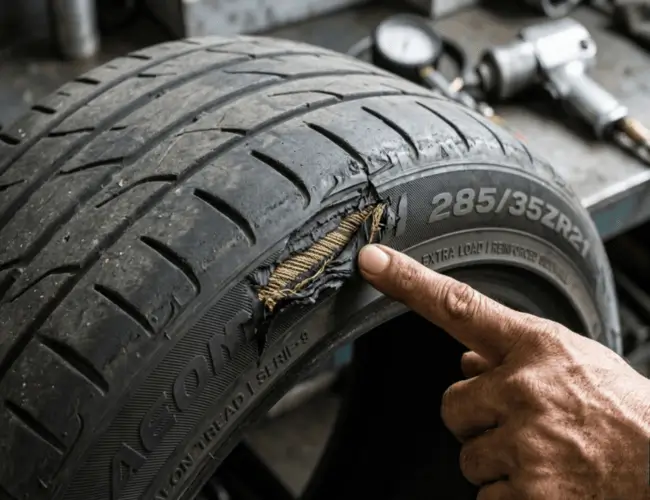
New handling problems, unusual noises, or safety-system warnings should be assessed rather than dismissed as normal after frame repair. These symptoms do not automatically prove that the structural repair was performed incorrectly, but their cause should be identified.
| Symptom after repair | What to do |
|---|---|
| Strong pulling, unstable steering, or difficulty controlling the vehicle | Stop somewhere safe and arrange assistance; discuss towing |
| Tire rubbing or severe vibration | Avoid continued driving until the cause is assessed |
| Brake warning with changed braking performance | Stop safely and arrange assistance |
| Airbag, ABS, or driver-assistance warning | Contact the shop and follow the owner’s manual |
| New clunks, off-center steering, or developing uneven tire wear | Arrange a follow-up inspection |
| Doors or latches that no longer operate correctly | Have them checked; do not drive with an unsecured closure |
When reporting a symptom, explain whether it occurs during braking, turning, acceleration, or travel over bumps. Record any warning message after stopping safely; do not use your phone while driving.
Before highway driving or a long trip, address pulling, vibration, unusual braking, warning messages, or tire-clearance concerns rather than assuming they will disappear with use.
Some concerns can develop only after additional mileage or weather exposure. Review the possible problems that can appear down the road after frame damage or repair for longer-term warning signs.
Discuss Frame Repair Safety in Huntington Beach
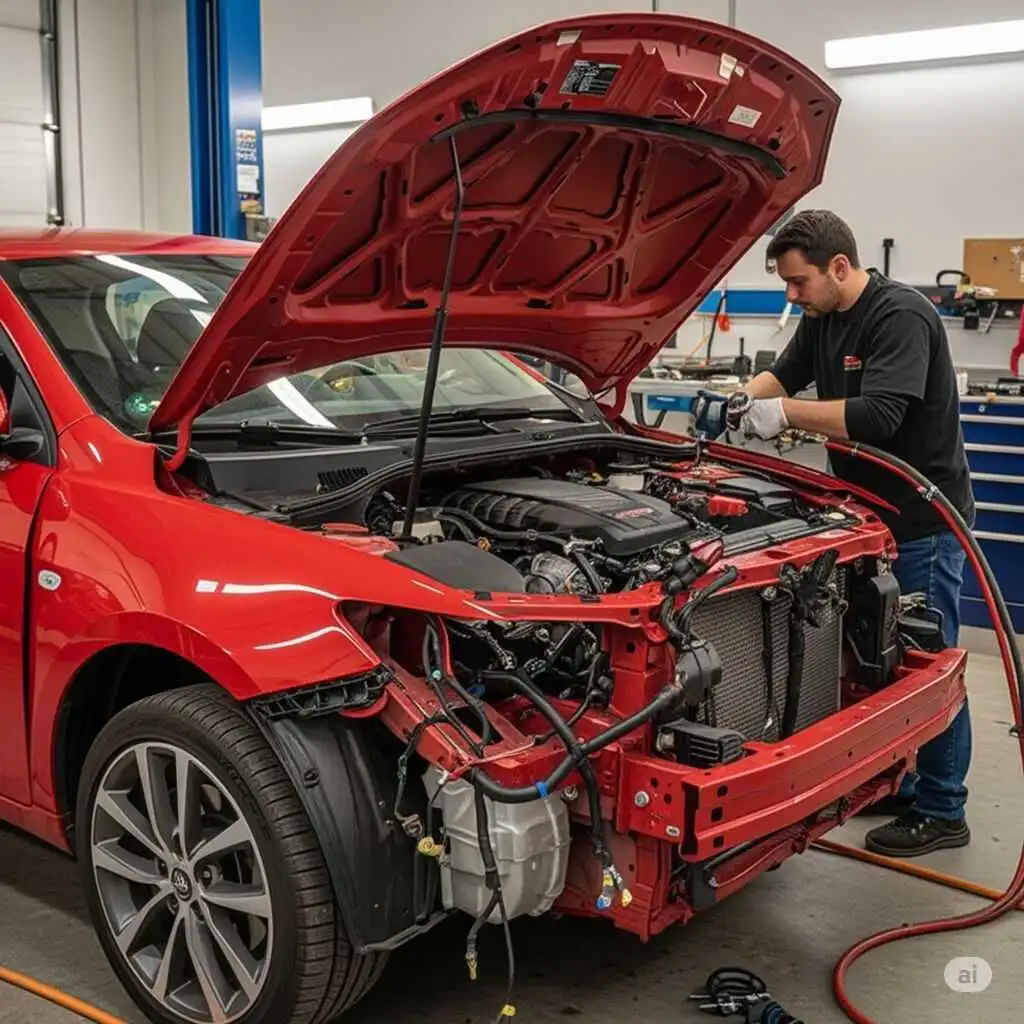
For questions about structural damage or post-repair checks, contact ER Collision and Auto Body Shop’s frame repair team in Huntington Beach.
Bring the repair invoice, available measurement and calibration records, and details of any symptoms. If another facility completed the repair, mention that when arranging the appointment so the assessment can be scoped appropriately.
Call Erik Reyna team, backed by I-CAR Gold certification and 15+ years of collision repair experience, to arrange an assessment at 17851 Jamestown Ln, Huntington Beach, CA 92647.
Discuss towing if the vehicle has unresolved steering, braking, severe vibration, or tire-clearance concerns.