Yes, Bumper repair can affect blind spot sensors and ADAS systems, especially if paint thickness, alignment, or materials are not handled correctly.
In modern vehicles, your bumper isn’t just plastic—it acts as a protective layer and signal “window” for radar sensors used in blind spot monitoring and other ADAS (Advanced Driver Assistance Systems).
In the shop, we see this all the time:
A car looks perfectly repaired, but suddenly the blind spot monitor starts acting inconsistent—or stops working altogether.
Here’s the catch: even small changes in paint thickness, material, or alignment can affect how these systems perform.
Quick Answer
Bumper repair can affect blind spot sensors—but usually only if the repair is done incorrectly or without proper checks.
When repairs follow manufacturer guidelines, sensors typically function as intended.
Where Are Blind Spot Sensors Located?
Most modern vehicles place radar sensors differently depending on vehicle design, front vs rear bumper repair requirements, and ADAS system placement.
- Behind the rear bumper cover
- Near the bumper corners
- Integrated into the vehicle’s ADAS system
These sensors continuously monitor:
- Adjacent lanes
- Passing vehicles
- Movement in your blind spots
Because they sit behind the bumper, anything between the sensor and the outside world matters.
Why Small Changes Can Impact Sensor Accuracy
ADAS systems rely on precise signal transmission and alignment.
Even minor variations during a repair can influence performance, particularly when determining whether bumper damage is cosmetic or structural after an accident.
Research from AAA found that even small incidents or improper repairs to these safety systems can lead to inconsistent performance and significantly higher repair costs due to the precision required for calibration.
Key Factors Include:
Paint Thickness
Excessive paint layers or incorrect materials can interfere with radar signals.
Sensor Alignment
A slight shift in angle can change detection range or accuracy.
Material Consistency
Repairs involving filler or structural changes can alter how signals pass through the bumper.
Important detail most drivers don’t realize: Certain paints—especially those with metallic flake—can scatter or reflect radar signals, which may lead to reduced sensitivity or inconsistent readings in some cases.
What Can Go Wrong After Improper Repair?
When repairs don’t follow proper procedures, issues may include:
- Blind spot alerts not activating when expected
- False warnings with no vehicles present
- Reduced detection range
- Intermittent or inconsistent sensor behavior
These problems aren’t always obvious immediately—but they can affect safety over time.
Why Does a Blind Spot Monitor Stop Working After a Bumper Repaint?
This is one of the most common concerns drivers have.
In many cases, it comes down to how radar interacts with the repaired surface.
Here’s what can happen:
- Excessive paint thickness can weaken signal strength
- Improper materials may block or distort signals
- Metallic paint particles can reflect radar waves unpredictably
In modern vehicles, tolerances can be very tight.
For some manufacturers—such as Toyota, Mazda, and Honda—even small deviations in material thickness can affect sensor performance.
That’s why professional repair facilities often measure coating thickness to stay within manufacturer specifications.
Does Bumper Repair Always Require ADAS Calibration?
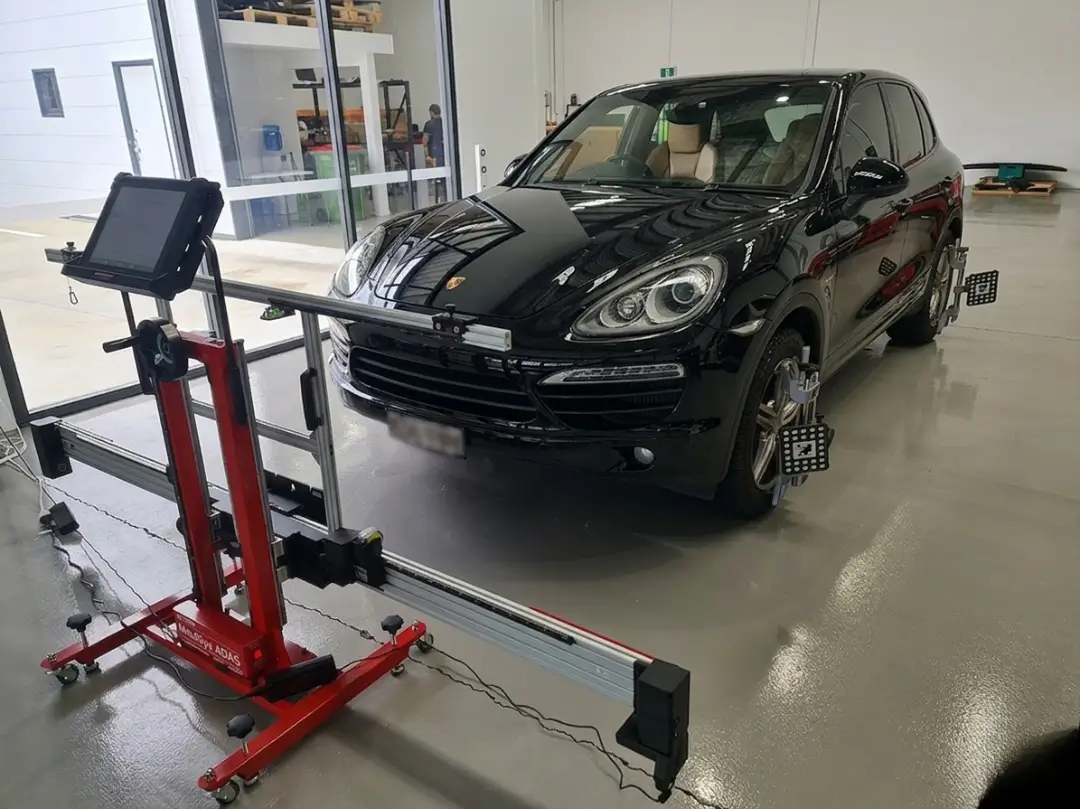
Not always—but it’s often recommended depending on the repair.
Calibration may be necessary if:
- The bumper was removed or replaced
- Sensors were disconnected or repositioned
- There is any possibility alignment changed
Types of Calibration:
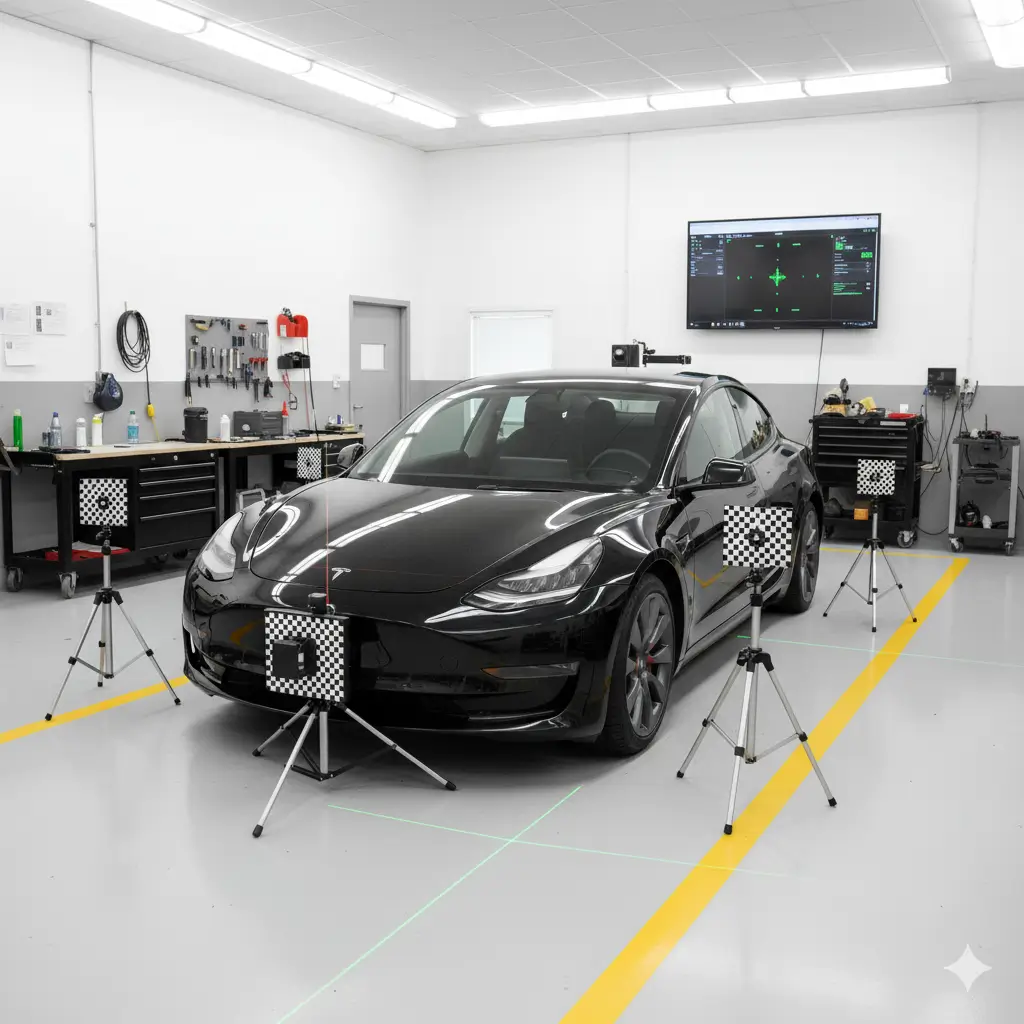
Static Calibration
Performed in a controlled environment using specialized targets and tools
Dynamic Calibration
Performed while driving under specific conditions to allow the system to relearn
The exact requirement depends on the vehicle and the extent of the repair.
Can I Just Fix a Bumper Scuff Myself If I Have Sensors?
Technically, minor cosmetic work is possible—but this is where caution matters.
Modern bumpers act like a “window” for radar systems, which is one reason parking sensor performance can be affected by bumper damage or improper repairs.
If that surface is altered with:
- Thick body filler
- Heavy primer
- Multiple uneven paint layers
…it can affect how signals pass through.
In real-world shop scenarios, some vehicles with DIY repairs appear visually fine but later develop intermittent sensor issues.
That doesn’t mean every DIY repair causes problems—but it highlights how sensitive these systems can be.
These systems rely on consistent radar wave transmission through the bumper surface, which can be affected by material density and coating thickness.
Proper vs Improper Repair Approach
| Factor | Improper Repair | Professional Repair |
|---|---|---|
| Sensor Alignment | May shift unnoticed | Verified and maintained |
| Paint Application | Excessive or inconsistent | Controlled within guidelines |
| Materials Used | Generic or incompatible | Manufacturer-considered systems |
| Calibration | Often skipped | Checked and performed if needed |
| System Performance | May become unreliable | Verified for proper function |
The Real Concern: It’s About Safety
Blind spot monitoring and ADAS systems are designed to assist with:
- Lane changes
- Collision awareness
- Driver visibility
When functioning properly, they provide an additional layer of awareness.
If affected, even slightly, it can reduce the reliability of those alerts.
That’s why proper repair procedures matter—not just for appearance, but for system performance.
Why This Matters in Huntington Beach
In Huntington Beach—especially along high-traffic routes like PCH where frequent lane changes are common—drivers rely heavily on blind spot monitoring systems.
If those systems aren’t performing consistently, it’s more than an inconvenience—it can impact overall driving awareness.
Common Questions Drivers Ask
Will repainting my bumper affect blind spot sensors?
It can, depending on how the repair is performed. Proper techniques are designed to minimize any impact.
Do I need recalibration after bumper repair?
Sometimes. It depends on whether sensors were moved, disturbed, or affected during the repair.
Can sensors stop working after repair?
In some cases, yes—particularly if alignment or material conditions change.
How do I know if my sensors are working properly?
Watch for:
- Warning lights
- Delayed or inconsistent alerts
- Changes in detection behavior
Is calibration always included in repairs?
It varies by shop and repair type. It’s always reasonable to ask.
The Real Decision
You’re likely fine if:
- The repair was minor
- Sensors were not disturbed
- The work followed proper procedures
You should double-check if:
- The bumper was removed or replaced
- Sensors were involved
- No calibration or system check was performed
Final Takeaway
Bumper repair can affect blind spot sensors—but it’s not the repair itself that causes issues. It’s how the repair is performed.
When proper procedures are followed—including attention to materials, alignment, and system checks—these systems typically continue to operate as expected.
Expert Bumper Repair in Huntington Beach
At ER Collision & Auto Body Shop in Huntington Beach, CA, we specialize in modern bumper repair with full awareness of ADAS systems and sensor integration.
With 15+ years of experience and I-CAR Gold Certification, Erik Reyna & his team provide:
✔ Precision bumper repair
✔ Sensor-safe repair techniques
✔ Calibration guidance
✔ Honest repair assessments
Not sure if your sensors are affected?
We’ll evaluate your vehicle and ensure everything is working properly—before you get back on the road.