A car wrap is usually better for temporary, reversible customization, while professional automotive paint is generally better for repairing damaged coatings or creating a permanent finish.
In California, the right choice depends on the existing paint, outdoor exposure, parking conditions, maintenance, ownership period, and whether your priority is customization or restoration.
Quick Answer
- Choose a wrap if your paint is stable and you want a removable color or finish change.
- Choose paint if the clear coat is peeling, the surface is damaged, or you want a permanent result.
Car Wrap vs. Paint: Key Differences
| Factor | Car wrap | Automotive paint |
|---|---|---|
| Main purpose | Reversible customization | Permanent refinishing |
| Surface required | Stable, properly prepared paint | Damaged coatings can be corrected |
| Expected lifespan | Several years, depending on exposure | Potentially much longer with proper care |
| Removal | Designed to be removable | Permanent coating system |
| Repair method | Replace film on affected areas | Refinish and blend damaged panels |
| Best application | Temporary styling | Failed paint, body repair or restoration |
A wrap covers the existing finish. Repainting allows a technician to correct damaged or unstable coatings before applying a new refinishing system.
How California Conditions Affect Wrap and Paint
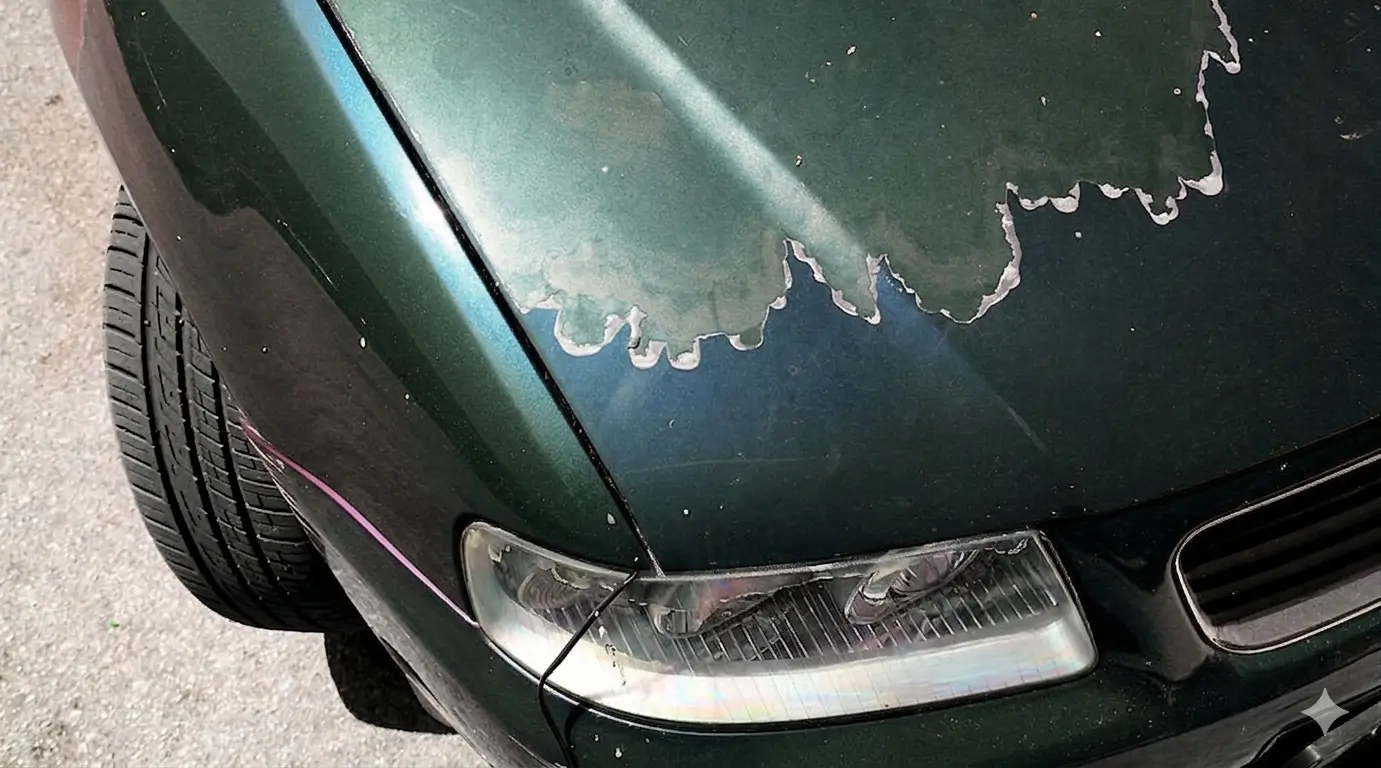
California vehicles frequently experience strong sunlight, elevated panel temperatures, airborne contamination, and outdoor parking. Coastal vehicles in areas such as Huntington Beach may also collect salt-containing residue and moisture.
Vinyl film gradually ages under UV and heat exposure. Horizontal surfaces—including the hood, roof, and trunk—typically receive more direct sunlight than doors and other vertical panels. They may show fading, weathering, or loss of finish sooner.
According to 3M, eligible Wrap Film Series 2080 applications may be warranted for up to eight years on vertical surfaces and three years on horizontal surfaces. Actual performance depends on installation, exposure, parking, maintenance, and warranty terms.
Automotive clear coat also requires maintenance, but it is designed to protect the color layer from environmental exposure. Sound clear coat may allow limited polishing, while peeling or delaminating coatings generally require refinishing.
Can You Wrap Over Damaged Paint?
A wrap performs best over a clean, smooth, stable finish. It should not be used to conceal:
- Peeling clear coat
- Oxidized or chalky paint
- Rust or corrosion
- Deep scratches
- Cracked repair material
- Unstable previous refinishing
- Unrepaired dents or stone chips
Vinyl follows the surface beneath it. It may conceal the color, but it will not level dents, stop corrosion, or repair coating failure.
Removal risk also depends on the substrate. Film applied over stable factory paint is different from film installed over weak, damaged, or improperly cured refinishing material. Have the surface inspected before wrapping a previously repainted vehicle.
If the finish is faded or deteriorating, determine whether it can be corrected or whether you need to repair sun-damaged automotive paint first.
How Long Does a Car Wrap Last in California?
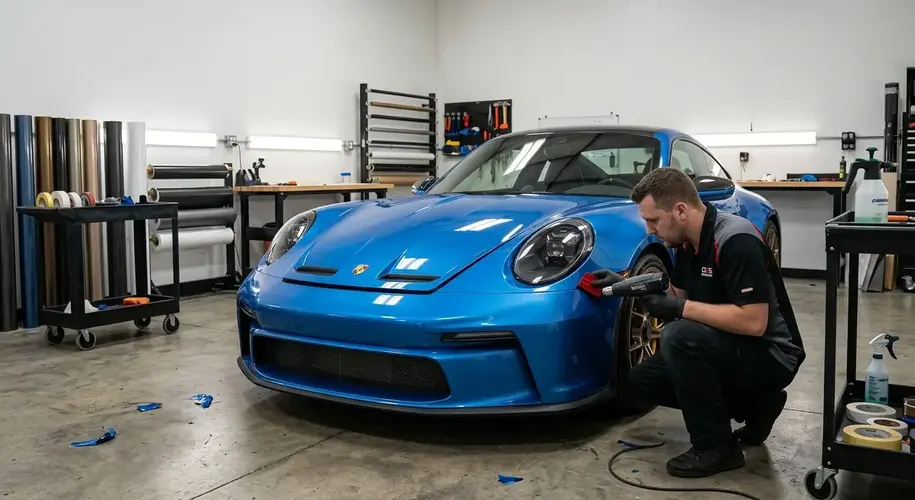
A quality wrap may remain serviceable for several years, but no lifespan applies to every vehicle. Its performance depends on:
- Film type and manufacturer
- Horizontal or vertical placement
- Installation and edge treatment
- Outdoor or indoor storage
- Cleaning and maintenance
- Vehicle use
- Sun and heat exposure
Signs of aging include fading, brittleness, cracking, shrinkage, edge lifting, and loss of finish consistency.
Wraps should not remain installed indefinitely. Aging film can become more difficult to remove, particularly after prolonged outdoor exposure.
Follow the film manufacturer’s removal period and maintenance instructions. Professional removal is advisable when the underlying paint is repaired, weak, or of uncertain condition.
Which Option Costs Less Over Time?
A wrap often costs less upfront than a comprehensive repaint. General market planning ranges include:
Full vehicle wrap: Approximately $2,500–$5,000+
Professional full repaint: Approximately $3,000–$7,000+
These are not ER Collision and Auto Body Shop’s prices or guaranteed estimates.
A wrap may offer better value when you want a temporary appearance change. However, owners keeping a vehicle for many years should consider future removal and replacement costs.
Paint may be more economical when the existing coating has failed because wrapping does not correct the underlying condition. For detailed repaint pricing variables, review our guide to car-paint costs in Huntington Beach.
What Happens If a Wrapped Panel Is Damaged?
If a wrapped bumper, door, or fender is damaged, the vinyl normally must be removed before body and paint repairs begin. Replacement film can be installed after the repaired coating has fully cured.
Matching may be difficult when the existing wrap has faded or the original material is no longer available. In that situation, replacing a larger section may be necessary to maintain a consistent appearance.
Paint damage can usually be repaired by refinishing the affected area and blending adjacent panels when required. This makes repairability an important consideration for daily-driven vehicles.
Which Option Should You Choose?
Choose a wrap when:
- Your existing paint is stable
- You want reversible customization
- You expect to change the appearance again
- You accept eventual removal or replacement
Choose paint when:
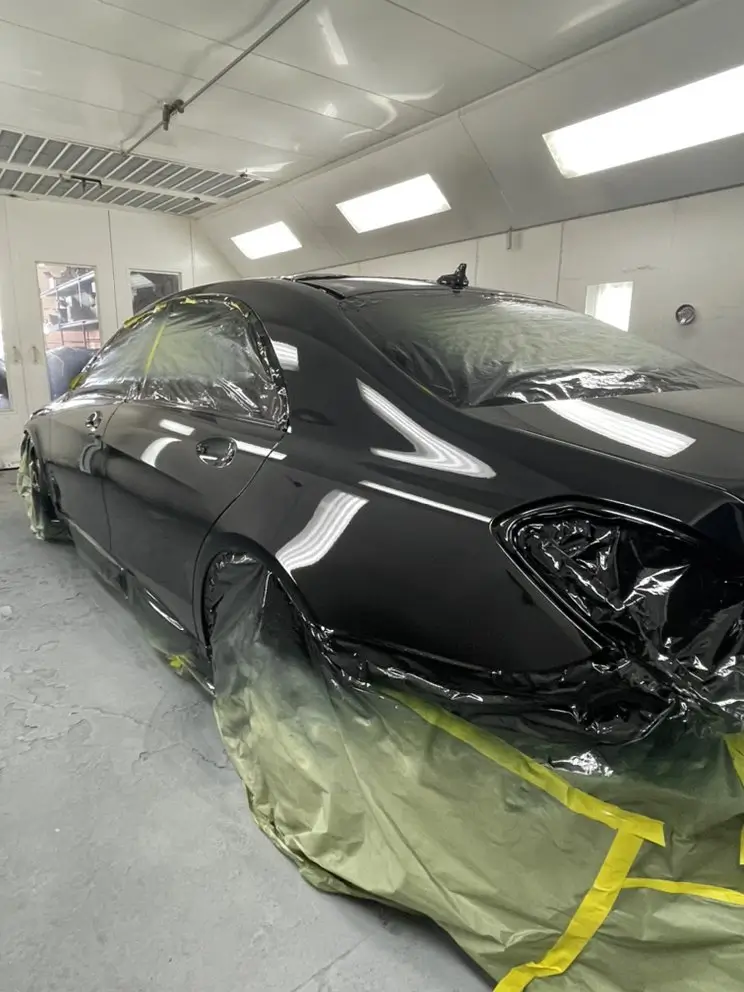
- Clear coat or paint is failing
- Body repair or corrosion correction is required
- You want a permanent color or finish
- The vehicle is being restored
- You plan to keep the vehicle long-term
If impact protection is your main goal, ask about paint protection film. PPF and decorative vinyl wraps are different products with different purposes.
Frequently Asked Questions
Is wrapping a car cheaper than painting?
A wrap often costs less initially, but the comparison depends on the material, vehicle design, paint condition, bodywork, and expected ownership period. Removal and replacement affect long-term cost.
Does a wrap protect paint from California sun?
It creates a barrier over the covered surface, but the vinyl itself ages under UV exposure. Uncovered sections continue to weather, which may cause color differences after a partial wrap is removed.
Can a wrap cover peeling clear coat?
It should not. Unstable clear coat can affect adhesion, appearance, and removal. The failed coating should be inspected and corrected first.
Is paint always better than a wrap?
No. Paint is better for correcting coating failure and creating a permanent finish. A wrap is better when sound paint only needs a reversible appearance change.
Get Paint Guidance in Huntington Beach
Not sure whether your vehicle needs a wrap, paint correction, localized refinishing, or a complete repaint? Erik Reyna and the team at ER Collision and Auto Body Shop bring more than 15 years of experience and I-CAR Gold Class training to evaluating automotive finishes.
Explore our car paint shop services in Huntington Beach or request an inspection based on your vehicle’s condition and long-term goals.
Pricing notice: Any prices shown are general market estimates—not ER Collision and Auto Body Shop rates or guaranteed quotes. Actual costs depend on the vehicle, condition, materials, labor, and selected finish.