Suspension repair in Huntington Beach commonly costs approximately $150 to $1,200 for an individual repair.
More extensive work involving several suspension or steering components may cost $1,500 to $5,000 or more.
The final price depends on the vehicle, failed component, parts selected, labor time and whether wheel alignment or additional system verification is required.
Common planning estimates include:
- Wheel alignment: $80–$200
- Sway-bar link replacement: $150–$400
- Tie-rod replacement: $150–$500
- Ball-joint replacement: $200–$600
- Shock replacement: $300–$800
- Control-arm replacement: $400–$1,200
These figures are general estimates—not vehicle-specific quotes. At ER Collision & Auto Body Shop in Huntington Beach, the recommended repair and final estimate are based on an inspection of the vehicle.
Average Suspension Repair Costs
The following ranges can help owners of common passenger cars, SUVs and light trucks plan for possible repairs.
| Service | Typical scope | Estimated cost |
|---|---|---|
| Wheel alignment | Measurement and adjustment | $80–$200 |
| Sway-bar link replacement | One link or a pair | $150–$400 |
| Tie-rod replacement | One inner or outer tie-rod end | $150–$500 |
| Ball-joint replacement | One joint or related assembly | $200–$600 |
| Shock replacement | Commonly an axle pair | $300–$800 |
| Strut replacement | Commonly an axle pair | $600–$1,500+ |
| Control-arm replacement | One control arm or assembly | $400–$1,200 |
| Multiple-component repair | Several damaged or worn parts | $1,500–$5,000+ |
Repair scope varies by vehicle. Some ball joints and bushings can be replaced separately, while others are integrated into a control arm or another assembly.
Before approving work, ask whether the written estimate includes parts, labor, alignment, taxes, shop supplies and applicable warranty coverage.
How Much Does It Cost to Fix Common Suspension Symptoms?
A symptom can help narrow down possible costs, but it cannot confirm which part has failed.
Car Pulling to One Side
Fixing a car that pulls may cost approximately $80 to $1,200 or more, depending on the cause.
Possible costs include:
- Wheel alignment: $80–$200
- Tie-rod replacement: $150–$500
- Ball-joint replacement: $200–$600
- Control-arm replacement: $400–$1,200
- Tire replacement: additional, if wear is severe
Pulling can result from uneven tire pressure, alignment angles, tire wear, brake drag, loose steering parts or bent suspension components. An alignment cannot correct a worn tie rod, damaged control arm or deteriorated bushing.
Read: Why Is My Car Pulling to One Side While Driving?
Clunking Over Bumps
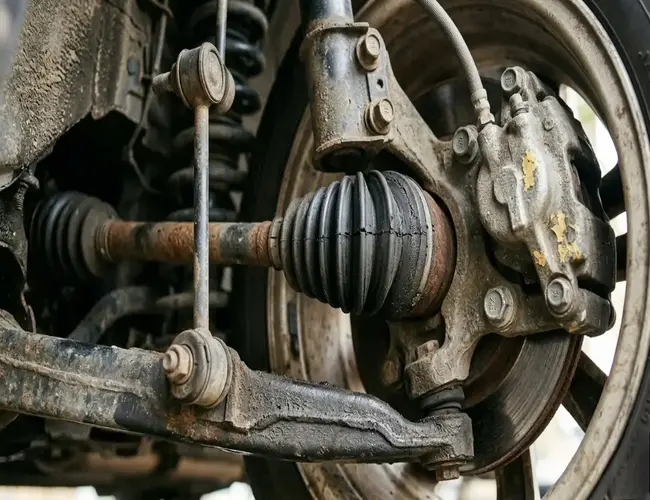
Fixing a suspension clunk may cost approximately $150 to $800 or more.
Common estimates include:
- Sway-bar links: $150–$400
- Ball joints: $200–$600
- Strut mounts or related strut work: $300–$800+
- Control arms: $400–$1,200
Sway-bar links, bushings, ball joints, strut mounts, springs and loose hardware can produce similar sounds. Because noise can travel through the vehicle, the source should be inspected before parts are replaced.
Read: What Causes a Clunking Noise Over Bumps?
Uneven Tire Wear
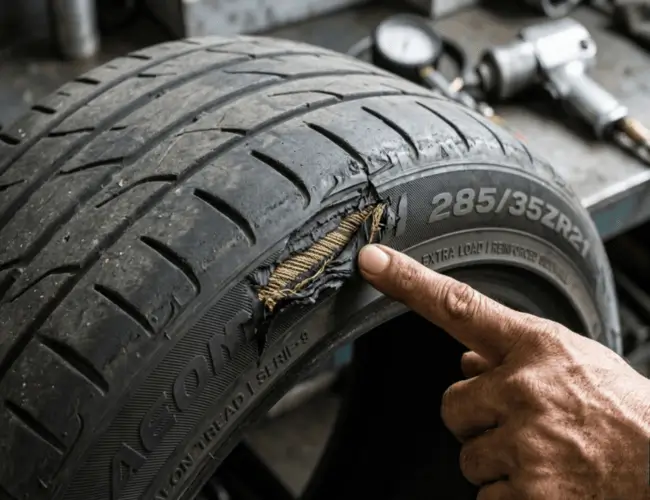
Correcting the cause of uneven tire wear may cost approximately $80 to $1,200 or more, excluding replacement tires.
Inner-edge wear, outer-edge wear, feathering and cupping may result from incorrect alignment angles, tire-pressure problems, weak shocks or worn steering and suspension components.
Installing new tires without correcting the underlying cause may allow the same wear pattern to return.
Read: What Causes Uneven Tire Wear?
How Much Does Shock or Strut Replacement Cost?
Shock replacement commonly costs $300 to $800, while strut replacement may cost $500 to $1,200 or more.
Shocks and struts are generally replaced in axle pairs to maintain balanced damping. An estimate should clarify whether it covers one unit or a pair.
Struts normally cost more because they are structural suspension components. Replacement may involve transferring or replacing the coil spring, inspecting the upper mount and checking wheel alignment afterward.
Replacing certain shocks may not change alignment. Strut replacement and repairs affecting wheel position are more likely to require alignment verification.
Learn more: Shocks vs. Struts: What’s the Difference?
What Affects Suspension Repair Cost?
Vehicle design
Parts prices and labor requirements differ between vehicles. Luxury, performance and electric vehicles may use adaptive dampers, air suspension or specialized components that cost more to diagnose and replace.
Failed component and repair scope
Replacing a sway-bar link generally costs less than replacing a strut, steering knuckle or control arm. Costs increase when several components are worn or damaged.
Individual parts versus assemblies
Some bushings and ball joints are separately serviceable. Others come as part of a larger assembly. Assembly replacement may cost more in parts but sometimes requires less labor.
Parts selection
OEM and reputable OEM-equivalent parts can differ in price, construction, warranty and vehicle-specific fit. The appropriate option depends on the vehicle and repair requirements.
Labor and damaged hardware
Accessibility, corrosion and damaged mounting hardware can increase labor time. Some repairs require spring compression, removal of surrounding components or specialized installation procedures.
Alignment and system verification
Repairs involving struts, tie rods, ball joints, control arms or other wheel-positioning components commonly require alignment verification.
Certain vehicles may also require checks involving electronic power steering, steering-angle sensors, stability control, adaptive suspension or driver-assistance systems.
Why Is an Inspection Required Before an Exact Estimate?
Pulling, clunking, bouncing and uneven tire wear can each have several possible causes. A price cannot be confirmed until the affected component and repair scope are identified.
A suspension evaluation may include:
- Inspecting tire pressure and tread condition
- Checking shocks, struts, bushings and ball joints
- Testing steering linkage for looseness
- Examining mounting points and hardware
- Measuring ride height
- Checking alignment when appropriate
- Road testing when the vehicle is safe to drive
Inspection-based diagnosis helps prevent unnecessary part replacement and repeat repairs.
For repair capabilities and scheduling information, visit our suspension repair and replacement service in Huntington Beach.
Frequently Asked Questions
How much does suspension repair cost in Huntington Beach?
An individual repair commonly costs approximately $150 to $1,200. Repairs involving several components may cost $1,500 to $5,000 or more.
Does suspension repair include alignment?
Not automatically. Alignment is commonly required after repairs that affect wheel position. Ask whether it is included in the written estimate.
What is usually the least expensive suspension repair?
Sway-bar links are often among the less expensive suspension components to replace. An alignment may cost less, but alignment cannot repair a worn or bent component.
Can I drive with a damaged suspension?
It depends on the component and severity. Severe pulling, loose steering, tire rubbing, visible wheel movement or difficulty controlling the vehicle may indicate an unsafe condition. Stop driving and arrange towing if the vehicle cannot be controlled normally.
How long does suspension repair take?
Some individual repairs may be completed the same day. Timing depends on diagnosis, vehicle design, parts availability, alignment and any additional system verification.
Request a Suspension Repair Estimate
If your vehicle pulls, clunks, bounces, wears tires unevenly or feels unstable, an inspection can identify the affected component and appropriate repair.
At ER Collision & Auto Body Shop, Erik Reyna & his team brings more than 15 years of repair experience and provides written estimates before authorized work begins.
Call (714) 866-9453, visit 17851 Jamestown Lane, Huntington Beach, CA 92647, or request a suspension repair estimate.