After an insurance adjuster inspects your car, the adjuster generally prepares or completes an initial damage estimate and sends the claim through the insurer’s review process.
Depending on the inspection and claim status, the insurer may:
- Proceed with covered repairs
- Request additional information
- Continue investigating coverage or fault
- Evaluate the vehicle as a possible total loss
- Request another inspection
The adjuster’s inspection is an important step, but it is not always the final repair plan or final claim decision.
If a repair facility later discovers accident damage that was not visible during the initial inspection, it may document the damage and submit a supplemental estimate for insurer review.
1. The Adjuster Prepares a Written Initial Estimate
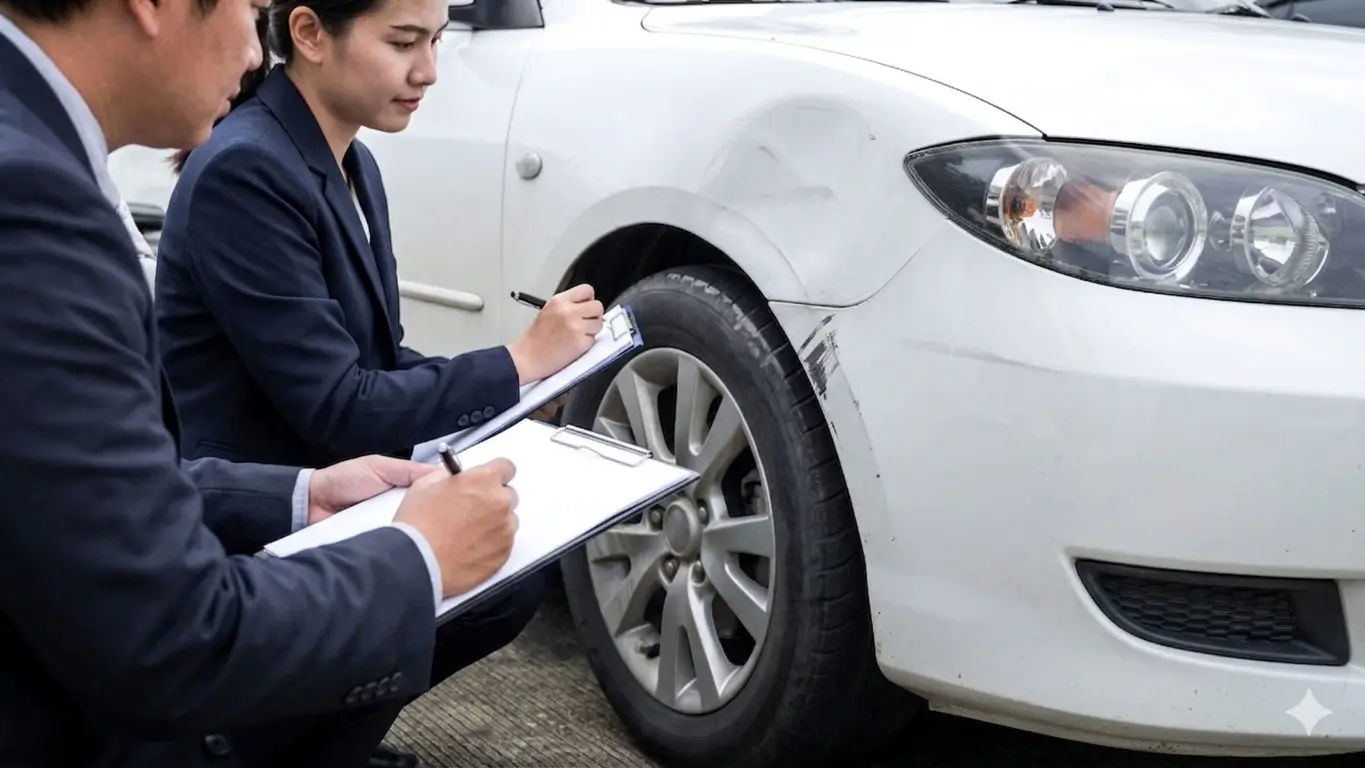
After inspecting the vehicle, the adjuster generally prepares or completes an initial estimate based on the accident damage visible at that stage.
The estimate may include:
- Parts that appear to require repair or replacement
- Estimated labor operations
- Paint and refinishing work
- Applicable labor rates
- Replacement-part designations
- The policyholder’s deductible, when applicable
The estimate may be based on an in-person inspection, submitted photographs, or other repair documentation.
It may not identify damage hidden behind bumpers, body panels, headlamps, interior trim, suspension components, or structural attachment areas.
Ask when the written estimate will be available and whether it will be sent to you, the selected repair facility, or another authorized party.
When reviewing the estimate, confirm:
- Which damaged areas are included
- Which parts and repair operations are listed
- Whether the vehicle is considered repairable
- Whether a deductible is shown
- Whether coverage or responsibility remains under investigation
- Whether another inspection is required
The insurer’s estimate is an initial claim estimate. It is not necessarily the repair facility’s complete repair plan or the insurer’s final coverage and payment decision.
For a detailed comparison, see Insurance Estimate vs. Auto Body Shop Estimate: Why Are They Different?
2. The Insurance Company Continues Reviewing the Claim
An inspection does not always mean repairs will be approved immediately.
The insurer may still need to determine:
- Whether the policy covered the vehicle on the accident date
- Whether the reported type of damage is covered
- Which driver was responsible
- Whether the damage is related to the accident
- Whether additional information is required
- Whether the vehicle is economical to repair
Once the insurer has enough information, it may:
- Issue an initial estimate
- Approve payment for covered repair items
- Explain what remains unresolved
- Request further documentation
- Arrange another inspection
- Begin a total-loss evaluation
A collision repair facility can inspect and document physical vehicle damage. It does not determine legal fault, policy coverage, or the amount the insurer must pay.
3. You Select a Repair Facility

The adjuster’s inspection does not require you to use the insurance company’s preferred repair shop.
California Insurance Code Section 758.5 generally prohibits an insurer from requiring a vehicle to be repaired at one specific automotive repair dealer.
The insurer may recommend a facility under certain conditions, but the claimant retains the right to select the repair shop.
You can provide the insurer’s estimate to the facility you choose. The shop can then inspect the vehicle, review the estimate, and develop its proposed repair plan.
Selecting a shop and authorizing repairs are separate actions.
For more information, see Can You Choose Your Own Collision Repair Shop After an Accident in California?
4. The Repair Facility Reviews the Vehicle
After receiving the vehicle and insurer’s estimate, the repair facility may:
- Inspect the damaged areas
- Compare the visible damage with the estimate
- Confirm the proposed parts and labor
- Identify operations missing from the initial estimate
- Determine whether disassembly is needed
- Develop a complete repair plan
The shop may find that the insurance estimate reasonably addresses the visible damage.
It may also identify additional damage or required work that was not documented during the adjuster’s first inspection.
This does not automatically mean the adjuster prepared the estimate incorrectly. The repair facility may have more information after closer inspection or disassembly.
5. A Supplement May Be Submitted
When the repair facility discovers additional accident-related damage, it may prepare a supplemental estimate, commonly called a supplement.
The usual process is:
- The shop photographs and documents the added damage.
- It identifies the additional parts or repair operations.
- It submits the supplement to the insurer.
- The insurer reviews the documentation or requests another inspection.
- Approved work is added to the repair plan
- The customer provides any required additional authorization.
A supplement may add time to the repair process because the insurer may need to review:
- Photographs
- Measurements
- Parts information
- Diagnostic results
- Repair procedures
- Calibration requirements
A supplement does not automatically indicate a dispute. It often means additional information became available after the first inspection.
Ask:
- Has the supplement been submitted?
- Which items remain pending?
- Who is responsible for the next step?
For a complete explanation of estimate differences and supplements, see Insurance Estimate vs. Auto Body Shop Estimate: Why Are They Different?
6. The Insurer Determines Whether the Vehicle Is Repairable
When the projected repair cost is high compared with the vehicle’s pre-accident value, the insurer may pause the normal repair process and evaluate the vehicle as a possible total loss.
The insurer may review:
- Year, make, model, and trim
- Mileage
- Vehicle equipment
- Pre-accident condition
- Comparable vehicles
- Estimated repair costs
- Lender information
- Ownership and title records
The insurer will then determine whether to proceed with repairs or offer a total-loss settlement under the applicable claim or policy.
A possible total-loss designation is not always the final settlement. The insurer may still need documents involving ownership, the lender, title status, or vehicle condition.
Do not authorize substantial repairs until you understand whether the insurer is proceeding with a repair claim or total-loss evaluation.
7. Confirm the Payment Arrangements
Ask the adjuster who will receive the insurance payment. Depending on the claim and whether the vehicle has a lender, payment may be issued to the customer, repair facility, lienholder, or more than one party.
Also confirm:
- Whether the deductible applies
- Whether payment has been issued
- Whether multiple signatures are required
- Whether any repair amount remains under review
- Whether you may be responsible for an out-of-pocket amount
Insurance payment and repair authorization are separate. The insurer determines what it will pay, while the customer authorizes the repair facility to perform the work.
8. Repairs Begin After Authorization
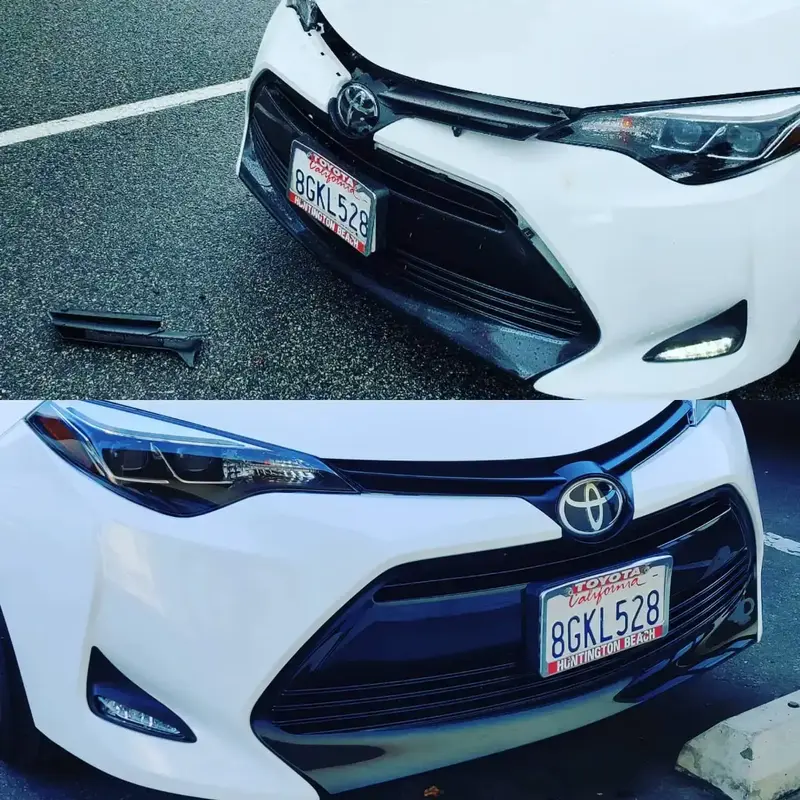
The collision repair shop must obtain the customer’s authorization before beginning work.
Before signing, review:
- The proposed repair scope
- The estimated parts and labor
- What the insurer has approved
- What remains pending
- Whether disassembly charges apply
- How additional damage will be handled
- Whether any amount could become your responsibility
- The shop’s written warranty
If added repairs are later required, the facility may need to explain the revised repair plan and obtain additional authorization.
Do not assume the adjuster’s inspection alone gives the shop permission to begin repairs.
9. Keep the Claim and Repair Records Together
Keep the following documents in one physical or digital file:
- The adjuster’s estimate
- Repair estimates and authorizations
- Supplemental repair documents
- Claim correspondence
- Payment and deductible records
- Towing, storage, and rental receipts
After an important telephone conversation, send a brief email confirming what was discussed, what remains outstanding, who is responsible for the next step, and when another update is expected.
Organized records can help prevent confusion during the claim and repair process.
What If You Have Not Heard From the Adjuster?
Send a written message asking:
- Has the estimate been completed?
- Is additional information required?
- Is the vehicle being evaluated as a possible total loss?
- What decision or action remains pending?
Under California Code of Regulations Title 10, Section 2695.5, insurers are legally required to furnish a complete response within 15 calendar days to any claimant communication that reasonably suggests a response is expected.
What If the Estimate Does Not Include All Necessary Repairs?
Ask the repair facility to explain any differences between its repair plan and the adjuster’s estimate. These may involve hidden damage, parts, labor, diagnostics, calibrations, measurements, or manufacturer-required procedures.
The shop can submit supporting documentation for insurer review. The insurer may approve the request, request more information, reinspect the vehicle, partially approve it, or deny certain items.
When a substantial repair balance remains unpaid, see What If the Insurance Company Doesn’t Pay Enough for Car Repairs?
Adjuster Inspection Complete? We Can Help With the Next Repair Steps
At ER Collision & Auto Body Shop in Huntington Beach, Erik Reyna & his team can review the adjuster’s estimate, inspect for additional accident-related damage, prepare supplemental repair documentation, communicate technical repair information to the insurer, and coordinate the authorized repair process.
Learn more about our Auto Insurance Claim Assistance services in Huntington Beach and Orange County.
This article is for general informational purposes only and is not legal, insurance, or financial advice.
ER Collision & Auto Body Shop does not determine coverage, liability, total-loss status, or insurance payment and cannot guarantee any claim or repair approval.