How Long Does It Usually Take to Repair a Bumper?
Professional bumper repair can take anywhere from the same day to several business days depending on paint work, hidden damage, parts availability, and whether ADAS calibration is required.
The overall timeline can also vary depending on the extent of damage and the total bumper repair cost involved.
Minor cosmetic bumper damage can sometimes be repaired in a single day. However, repairs involving paint work, cracked plastic, hidden structural damage, or ADAS sensor systems usually take longer.
In most cases:
- Minor cosmetic repairs → Same day or 1 business day
- Moderate bumper repair with repainting → 2–3 business days
- Bumper replacement with paint and calibration → 3–5 business days or longer
In many cases, the repair process itself is not the primary source of delay. Most repair timelines are affected by:
- OEM parts availability
- Insurance approvals
- Paint curing time
- Sensor calibration procedures
- Hidden damage discovered during disassembly
Quick Answer
Minor bumper scuffs and scratches can often be repaired within one day.
Repairs involving repainting, cracked plastic, broken mounting tabs, or ADAS systems usually require 2–5 business days depending on the vehicle and repair complexity.
Modern bumper systems are more advanced than many drivers realize.
What Actually Affects Bumper Repair Time?
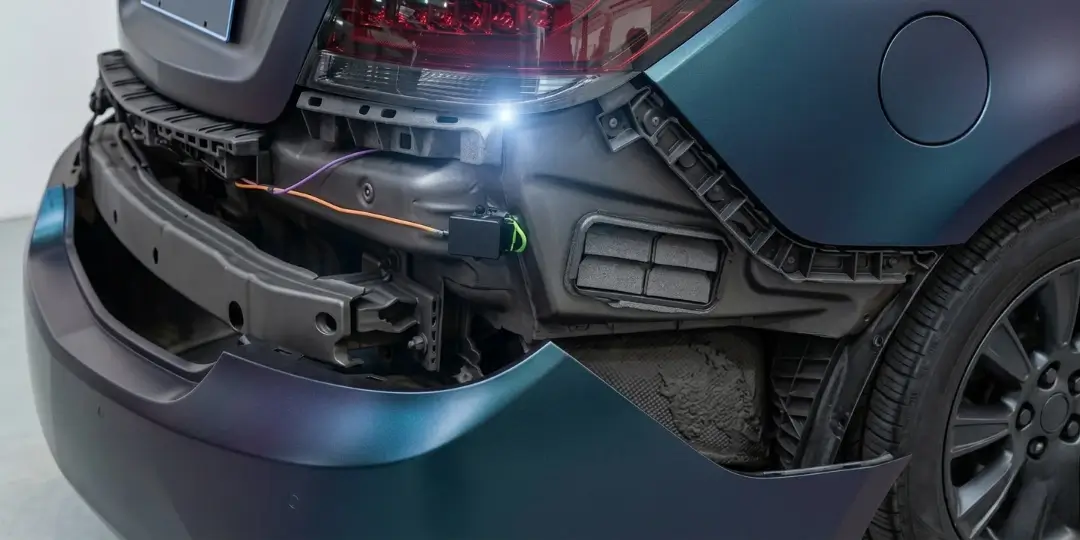
Modern bumpers are no longer simple plastic covers.
Many vehicles now integrate:
- Blind-spot monitoring systems
- Parking sensors
- Radar modules
- Impact absorbers
- Reinforcement bars
- Active cruise control components
Even “minor” impacts can damage hidden mounting brackets or internal structural supports behind the visible bumper cover.
Repair timelines are commonly affected by:
- Severity of cracks or dents
- Paint damage and refinishing requirements
- Broken clips or mounting tabs
- Structural reinforcement damage
- ADAS calibration procedures
- Parts shipping delays
- Paint curing and quality-control time
A bumper that looks lightly damaged externally may still require significant disassembly underneath.
Pro Insight: Paint Work Usually Takes Longer Than the Repair Itself
One of the biggest misconceptions drivers have is assuming the repair itself takes the longest.
In reality, the paint and refinishing process is often what extends the timeline.
Professional bumper refinishing may involve:
- Surface sanding and preparation
- Plastic adhesion promoter application
- Computerized paint matching
- Base coat blending
- Clear coat application
- Controlled curing cycles
For high-quality collision repair, paint cannot simply be sprayed and immediately released.
Most professional shops allow proper curing time to ensure:
- Clear coat durability
- Proper adhesion
- Consistent gloss levels
- Long-term resistance to peeling or fading
Rushed refinishing is one of the main causes of peeling paint and visible imperfections months later.
Typical Professional Bumper Repair Timelines
| Repair Type | Typical Time Range |
|---|---|
| Minor scratches or scuffs | Same day–1 day |
| Small dent repair | 1–2 days |
| Crack repair with repainting | 2–3 days |
| OEM bumper replacement | 3–5 business days |
| Repairs involving ADAS calibration | Additional 1–3 hours or more |
Timelines vary based on the vehicle, insurance process, and parts availability.
Why Some Bumper Repairs Take Longer Than Expected
Drivers are often surprised when a “simple bumper repair” takes multiple days.
In many cases, the visible damage is only part of the repair.
Hidden Structural Damage
Once the bumper is removed, technicians may discover:
- Cracked reinforcement brackets
- Bent absorber foam
- Broken mounting tabs
- Damaged impact bars
- Misaligned header panels
These issues are commonly hidden until teardown begins.
Paint Matching & Blend Procedures
Modern factory paint finishes are highly complex.
Pearl whites, metallic silvers, tri-coat reds, and matte finishes often require advanced blending techniques to achieve a seamless appearance.
Even slight color variation becomes noticeable under direct sunlight.
Proper paint matching takes time because quality collision repair focuses on invisible repairs—not rushed shortcuts.
ADAS & Sensor Calibration
Many modern vehicles place blind-spot monitoring radar sensors directly behind the bumper cover.
If bumper alignment is even slightly off, or if paint film thickness exceeds manufacturer specifications, radar signal performance can become inaccurate.
After certain repairs, shops may need to perform:
- Static ADAS calibration
- Dynamic road calibration. Understanding when ADAS calibration is required is a critical part of modern collision repair.
- Sensor aiming procedures
- Diagnostic scans
This process may add additional labor time, but it is critical for proper system operation and vehicle safety.
OEM Parts Availability
One of the most common delays is simply waiting for parts.
OEM bumpers, clips, brackets, sensor retainers, and trim components may require freight shipping from regional distributors.
Even if the actual installation only takes a few hours, shipping delays can extend the overall timeline.
Insurance Approval Delays
Insurance supplements are another major reason repairs take longer than expected.
If hidden damage is discovered during teardown, the repair facility often must submit supplemental estimates to insurance carriers before continuing repairs.
Waiting for approvals from insurers such as State Farm, GEICO, or Progressive may add 24–48 hours or longer to the repair process.
This is one of the most common real-world collision repair delays drivers experience.
Can Bumper Repairs Be Done the Same Day?

Yes — some minor cosmetic bumper repairs can absolutely be completed the same day.
This is most common when the damage involves:
- Light scratches
- Minor paint transfer
- Small cosmetic scuffs
- Shallow dents without cracking
However, repairs requiring:
- Plastic welding
- Paint refinishing
- Sensor inspections
- Color blending
- Structural repairs
typically require additional time for curing, quality control, and reassembly.
Same-day repair is possible, but only for limited cosmetic damage scenarios.
Fast Repairs Aren’t Always Better
A rushed bumper repair can lead to:
- Paint peeling
- Dust contamination in clear coat
- Improper panel alignment
- Loose mounting clips
- Premature cracking
- Sensor performance issues
Professional collision repair focuses on:
- Proper fitment
- OEM-level appearance
- Paint durability
- Safe system functionality
- Long-term repair quality
Quality repairs prioritize durability—not simply speed.
Choosing the right collision facility also matters, especially when learning how to choose a bumper repair shop that follows proper OEM repair procedures.
Repair vs Replacement: Which Takes Longer?
Repair May Be Faster When:
- Damage is cosmetic only
- The original bumper can be restored
- No structural cracking exists
- Paint blending is minimal
Modern plastic repair techniques like nitrogen plastic welding and reinforcement stapling can often restore OEM bumpers efficiently without requiring full replacement.
Replacement May Take Longer When:
- OEM parts must be ordered
- Sensors must be transferred
- Calibration procedures are required
- Paint preparation is needed
However, in some situations, replacing a heavily damaged bumper is actually faster than attempting extensive plastic reconstruction and refinishing.
Understanding the difference between bumper repair vs replacement can help drivers choose the most effective long-term solution.
The correct solution depends on repairability, parts availability, and total labor involved.
Real-World Collision Repair Insight
In real-world collision repair, many bumpers that initially appear “minor” end up involving hidden alignment issues, damaged retainers, or internal reinforcement problems discovered only after disassembly.
This is why accurate repair timelines are often finalized after a full teardown inspection—not during the initial visual estimate.
Experienced repair facilities build repair plans around what is actually damaged underneath, not just what is visible externally.
Why This Matters in Huntington Beach
Bumper damage is extremely common in Huntington Beach due to:
- Tight parking areas
- Beach traffic congestion
- Parallel parking along PCH
- Daily commuter traffic
- Parking structure contact damage
Additionally, Huntington Beach’s coastal humidity can affect traditional solvent evaporation and paint curing conditions.
Professional collision facilities often use controlled heated bake cycles and downdraft prep stations to ensure proper paint adhesion and long-term finish durability despite coastal moisture exposure.
Many local vehicles—including lifted trucks, SUVs, Teslas, and luxury vehicles—also contain integrated ADAS systems directly inside the bumper assembly, making proper calibration procedures increasingly important after repairs.
In modern collision repair, quality and precision matter far more than simply rushing the process.
Real Questions Drivers Ask (FAQ)
Can bumper repair really be completed in one day?
Yes. Minor cosmetic repairs without paint damage or structural issues can sometimes be completed the same day. Repairs involving refinishing, calibration, or cracked plastic typically require additional time.
Why does bumper paint repair take multiple days?
Professional paint systems require prep work, primer application, base coat spraying, clear coat curing, and quality-control inspection. Proper curing time is critical for long-term durability.
Is bumper replacement always slower than repair?
No. Replacing a severely damaged bumper can sometimes be faster than repairing extensive cracks, deformation, or broken mounting structures—especially if OEM parts are already in stock.
Can I drive with bumper damage?
It depends on the severity of the damage. Loose bumpers, damaged mounting brackets, exposed reinforcement bars, or sensor issues may create safety concerns and should be inspected professionally.
Do parking sensors increase repair time?
Yes. Parking sensors, blind-spot monitors, and radar systems may require scanning, aiming, or calibration procedures after repair or replacement.
The Real Decision
Repairs Are Usually Faster If:
- Damage is cosmetic only
- No cracking exists
- Paint blending is minimal
- Sensors are unaffected
Repairs Usually Take Longer If:
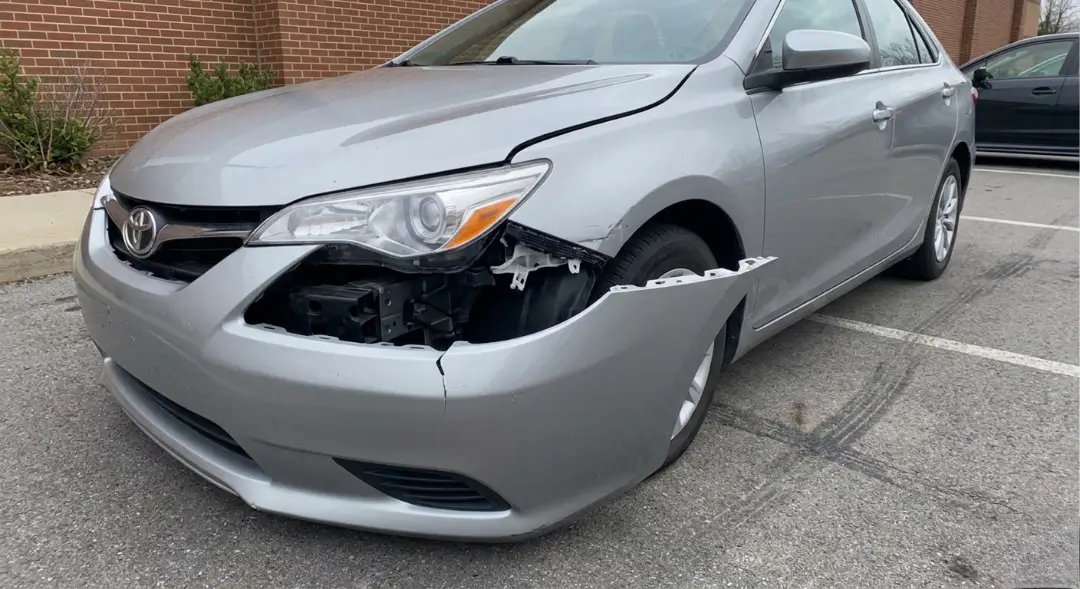
- The bumper is cracked or detached
- Internal supports are damaged
- ADAS systems require calibration
- Replacement parts must be ordered
- Insurance supplements are needed
The goal is not just finishing quickly—it’s restoring proper appearance, fitment, and safety.
Final Recommendation
Professional bumper repair timelines vary because modern bumpers involve far more than cosmetic plastic repair.
Today’s bumper systems may include:
- Precision paint systems
- Structural mounting components
- Radar and sensor technology
- OEM fitment tolerances
- Calibration requirements
While some repairs are quick, proper repair procedures help ensure:
✔ Better long-term durability
✔ Cleaner OEM-level appearance
✔ Proper sensor functionality
✔ Safer vehicle performance
A professional inspection is the only accurate way to determine the true repair timeline.
Professional Bumper Repair in Huntington Beach
At ER Collision & Auto Body Shop in Huntington Beach, CA, we provide professional bumper repair designed for modern vehicles, OEM-quality standards, and long-term durability.
With 15+ years of experience and I-CAR Gold Certification, we provide:
✔ Professional bumper repair and refinishing
✔ OEM-level paint matching
✔ ADAS-aware repair procedures
✔ Honest repair timelines and inspections
✔ Quality-focused collision repair solutions
Not sure how long your bumper repair may take?
Our team can inspect the damage, identify hidden issues, and provide a realistic repair timeline before work begins.