Yes. In California, you may choose the collision repair shop that repairs your vehicle after an accident. An insurance company generally cannot require you to use one specific automotive repair facility.
The insurer may recommend a repair facility under certain conditions, but the claimant has the right to select the repair shop.
This generally applies whether you are filing through your own collision coverage or seeking payment from another driver’s liability insurer.
Choosing your own shop does not mean the insurer must automatically approve every part, repair procedure, labor operation, or price on the shop’s estimate.
The responsibilities remain separate:
- You select the repair facility
- The shop inspects the vehicle and proposes the repairs
- The insurer evaluates coverage and what it will pay
- You authorize the repair work.
Understanding these roles can help prevent confusion before repairs begin.
What California Law Protects
California Insurance Code Section 758.5 generally prohibits an insurer from requiring that a vehicle be repaired at a specific automotive repair dealer.
An insurer may recommend a repair facility after informing the claimant of the right to select a shop or when the claimant asks for a recommendation.
After you have selected a repair facility, the insurer generally cannot suggest or recommend that you choose a different shop, subject to the exceptions in California Insurance Code Section 758.5.
It may still provide truthful information about matters such as:
- Repair times
- Replacement parts
- Warranty terms
- Available services
- Inspection requirements
- Claim procedures
The insurer may also review whether the shop’s proposed repairs and charges are reasonable, necessary, accident-related, and covered under the applicable policy or claim.
Your right to choose a shop does not eliminate the insurer’s right to inspect the vehicle or review the repair plan.
Insurer-Recommended Shop vs. a Shop You Choose
Both insurer-recommended facilities and independently selected shops may be capable of performing quality repairs.
The main difference is how the facility was selected and whether it has an established working arrangement with the insurer.
Insurer-recommended facility
An insurer-recommended shop may:
- Participate in the insurer’s repair program
- Follow established estimating and administrative procedures
- Communicate through the insurer’s preferred claim process
- Offer a warranty connected to the insurer’s program
Independently selected facility
A shop you select may:
- Be chosen through your own research or experience
- Communicate with the insurer through the normal claim-review process
- Provide its own written workmanship warranty
- Use its own repair-planning and documentation procedures
In either case:
- The insurer controls coverage and payment decisions
- The customer selects and authorizes the repair work
- The owner must authorize the repairs
A shop should not be selected or rejected solely because it is—or is not—part of an insurer’s repair program.
Evaluate whether the facility can properly inspect the vehicle, explain the proposed repairs, document additional damage, follow applicable repair procedures, and keep you informed.
What Choosing Your Own Shop Does Not Guarantee
Selecting your own collision repair facility does not guarantee:
- Approval of every item on the shop’s estimate
- OEM parts in every situation
- Acceptance of every labor rate or labor time
- Immediate approval of additional repairs
- Waiver of your deductible
- No possible out-of-pocket cost
- A specific repair-completion date
The shop’s estimate and the insurer’s estimate may differ because they were prepared by different parties, at different stages, and with different information.
For example, an insurer’s first estimate may be based on photographs or visible exterior damage. A repair facility may later identify additional damage after a closer inspection or authorized disassembly.
The shop may then document the additional repair need and submit the information for insurer review.
For a detailed explanation, see Insurance Estimate vs. Auto Body Shop Estimate: Why Are They Different?
Who Authorizes the Repairs?
The vehicle owner is the repair facility’s customer.
The insurance company does not normally authorize repairs on the customer’s behalf.
A California repair facility generally must:
- Provide an estimate describing the proposed work
- Identify the estimated parts and labor
- Obtain the customer’s authorization
- Document that authorization
- Obtain additional authorization before performing added work or increasing the repair amount
Insurance approval and customer authorization are different.
Insurance approval concerns what the insurer agrees to pay under the claim.
Customer authorization gives the repair facility permission to perform the work.
Before signing an estimate or repair authorization, confirm:
- What work you are approving
- What the insurer has approved for payment
- What remains under review
- Whether diagnostic or disassembly charges apply
- Whether additional authorization may be required
- Whether any amount could become your responsibility
Do not assume that opening an insurance claim automatically authorizes repairs.
Five Questions to Ask Before Choosing a Collision Repair Shop
1. How Will the Shop Determine the Full Repair Scope?
Ask whether the first estimate is based only on visible damage or whether additional inspection or authorized disassembly may be necessary.
Damage behind bumpers, lamps, panels, trim, and structural attachment areas may not be visible during an exterior inspection.
The facility should explain:
- How it identifies hidden damage
- When disassembly may be needed
- How additional damage will be documented
- How you will be informed before added work is performed
- How information will be submitted to the insurer
Avoid facilities that cannot clearly explain how the repair plan may change after the initial inspection.
2. Can the Facility Properly Repair Your Vehicle?
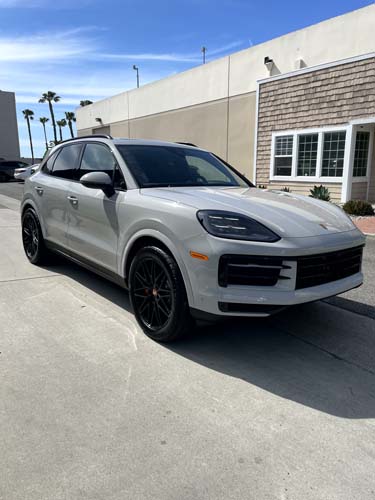
Ask about training, equipment, and experience relevant to your vehicle and the type of damage.
Depending on the repair, the work may involve:
- High-strength steel
- Aluminum components
- Structural measurements
- Electric or hybrid systems
- Cameras, radar, and parking sensors
- Diagnostic scanning
- Advanced driver-assistance system calibration
- Vehicle-specific repair procedures
A certification logo alone does not answer every question.
Ask which certifications or qualifications apply to your vehicle and whether any work will be completed by another provider.
The facility should also explain how it obtains and follows manufacturer repair information when needed.
3. How Does the Shop Handle Insurance-Estimate Differences?
Ask how the facility reviews the insurer’s estimate and communicates missing or additional repair needs.
The shop should be able to explain:
- Who compares the estimates
- How additional damage is documented
- Who prepares supplemental information
- Whether the insurer may reinspect the vehicle
- How you will receive updates
- Whether unresolved amounts could become your responsibility
Be cautious of promises that every repair item or supplement will automatically be approved.
Coverage and payment decisions remain with the insurer.
When a significant repair amount remains unpaid, see What If the Insurance Company Doesn’t Pay Enough for Car Repairs?
4. What Parts and Repair Procedures Are Included?
Ask whether the estimate identifies the type of replacement parts being proposed.
Parts may include:
- Original equipment manufacturer parts
- Aftermarket parts
- Used or recycled parts
- Rebuilt parts
Also ask:
- Why a component is being repaired instead of replaced
- Why replacement is necessary when repair is not proposed
- Whether scanning or calibration is required
- Whether structural measurements are included
- Which manufacturer procedures apply
- Whether any required operations are excluded from the estimate
The shop should explain major repair decisions in ordinary language.
5. What Written Warranty Does the Shop Provide?
Ask for the warranty terms before authorizing repairs.
Confirm:
- What repair work is covered
- How long the coverage lasts
- Whether paint and refinishing are included
- Whether replacement parts have separate warranties
- Who handles concerns after vehicle delivery
- Whether the warranty comes from the shop, insurer, or parts manufacturer
Do not rely only on a verbal promise. Request the warranty in writing.
What Happens After You Select the Shop?
Once you choose a repair facility:
- Tell the adjuster where the vehicle is located
- Give the shop the claim number and adjuster’s contact information
- Review the shop’s initial estimate
- Confirm what the insurer has approved so far
- Ask how additional damage will be documented
- Discuss any potential out-of-pocket amount
- Authorize only the work you understand and approve.
The insurer may inspect the vehicle at the selected facility or review photographs and repair documentation.
If the shop discovers additional accident damage, it may prepare supplemental information for the insurer. Before added repairs are performed, the facility should explain the revised repair plan and obtain any required authorization from you.
What If the Insurer Pressures You to Use Another Shop?
First, ask the adjuster to clarify whether the shop is being recommended or required:
Are you recommending this facility, or are you saying that I must use it?
If you have already selected a shop, state your decision clearly:
I have selected my repair facility. Please update the claim and coordinate any required inspection or estimate review with that shop.
If the insurer raises a concern, ask for the specific reason.
The issue may involve:
- A required vehicle inspection
- Missing documentation
- A disagreement about the estimate
- A part or repair procedure under review
- A coverage question
- The vehicle’s current location
- Storage charges
Keep important communications, estimates, claim notices, and repair documents in writing.
When you believe an insurer has not followed California’s shop-choice or claim-handling requirements, you may contact the California Department of Insurance for consumer assistance.
Submitting a complaint does not guarantee a specific claim payment or repair outcome.
Chosen Your Repair Shop? We Can Help With the Insurance Repair Process
If you choose ER Collision & Auto Body Shop in Huntington Beach for your collision repair, Erik Reyna & his team having 15+ years of collision repair expertise & I-CAR Gold certification, can help with damage documentation, insurance estimate review, supplemental repair documentation, adjuster communication, and the authorized repair process.
Learn more about our Auto Insurance Claim Assistance services for Huntington Beach and Orange County drivers.
This article is for general informational purposes only and is not legal, insurance, or financial advice.
ER Collision & Auto Body Shop does not determine coverage or payment and cannot guarantee approval of any repair, supplement, or insurance claim.