Brakes can squeak because of moisture or light surface rust, worn brake pads, pad material, overheating, or vibrating brake hardware. Brief noise after rain may disappear after a few normal stops. Persistent squeaking, grinding, or a change in stopping performance needs inspection.
Need help identifying the cause? Explore our brake inspection and repair services in Huntington Beach.
When Is Brake Squeaking Temporary?
Brief squeaking after rain, washing, or overnight parking can come from moisture and light surface rust on the rotors. The sound may disappear after a few normal stops as the pads clear the rotor surfaces.
When inspection is needed: Noise that persists in dry conditions, returns during most stops, or occurs with changed braking performance needs inspection.
Local conditions: Coastal moisture in Huntington Beach can contribute to surface rust on cast-iron brake rotors.
Most Common Causes of Brake Squeaking
| Cause | Sound Characteristics | Timing / Pattern | Action Required |
| Flash Rust / Moisture | High-pitched squeal or light scraping | First few stops in the morning or after rain | May clear after a few normal stops. Persistent noise or changed braking performance requires inspection. |
| Wear Indicator Clips | Continuous high-pitched squeal | Occurs during most light to moderate stops | Schedule brake pad inspection and replacement |
| Glazed Pads / Rotors | High-pitched squeal or metallic screech | After heavy braking or downhill driving | Inspect pads/rotors for thermal hardening or dragging calipers |
| Unlubricated Hardware | Squeak, click, or high-frequency vibration | When applying or releasing the pedal | Clean, inspect, and apply caliper grease to contact points |
| Metal-on-Metal Wear | Deep, harsh grinding sound | Constantly during braking | Immediate repair required; stop driving or tow |
Worn Brake Pads
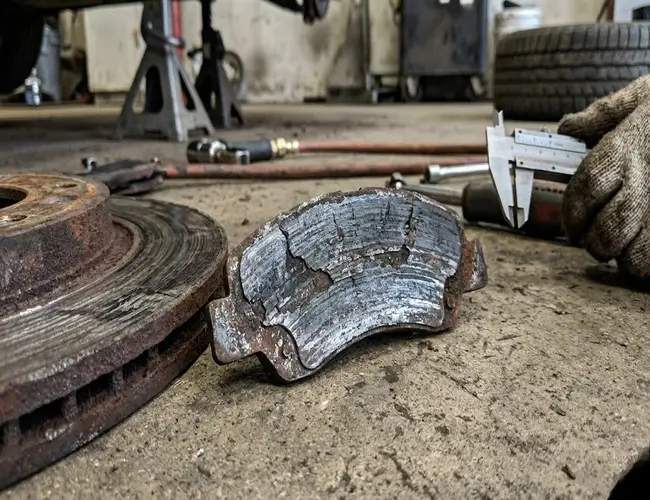
Some brake pads have a metal wear indicator that produces a high-pitched squeal when the friction material becomes thin. Other vehicles use electronic wear sensors, so worn pads do not always produce an audible warning.
An inspection measures the remaining pad material and checks wear on both sides of the rotor.
If replacement is recommended, our brake repair cost guide explains general price benchmarks and what to check in your estimate.
Brake Pad Material
Different pad types produce different noise levels.
- Semi-metallic pads can be slightly noisier
- Ceramic pads tend to be quieter
- Lower-grade materials may squeal more frequently
Noise alone doesn’t always mean something is failing — material composition plays a role.
Glazed Brake Pads or Rotors
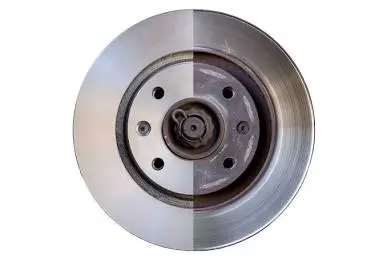
Excessive heat from aggressive braking can harden (or “glaze”) the pad surface.
This reduces friction performance and may create squealing or squeaking sounds.
Repeated hard braking, prolonged braking on descents, or a dragging brake can generate excessive heat. An inspection can determine whether the friction surfaces are glazed and whether another fault is causing overheating.
Dust or Debris Between Components
Small debris, brake dust buildup, or corrosion around hardware can cause noise.
In some cases, a simple inspection and cleaning resolves the issue.
Lack of Proper Hardware Lubrication
Brake systems include small metal clips and contact points.
If hardware is improperly installed or lacks proper lubrication, vibration can produce squeaking.
Professional brake service includes checking these contact points carefully.
AAA’s guide to common causes of squeaky brakes identifies improper installation or maintenance of calipers, pads, or rotors as a possible source of noise. Persistent noise after brake work should be checked by the installer.
When Does Brake Squeaking Need Urgent Attention?
Stop safely and arrange towing if the noise comes with reduced stopping power, a soft or spongy brake pedal, a sinking pedal, severe pulling, or difficulty controlling the vehicle. Persistent grinding also needs urgent assessment.
Arrange an inspection if squeaking persists in dry conditions, occurs during most stops, or begins after recent brake work.
Noise alone cannot establish whether the vehicle is safe to drive.
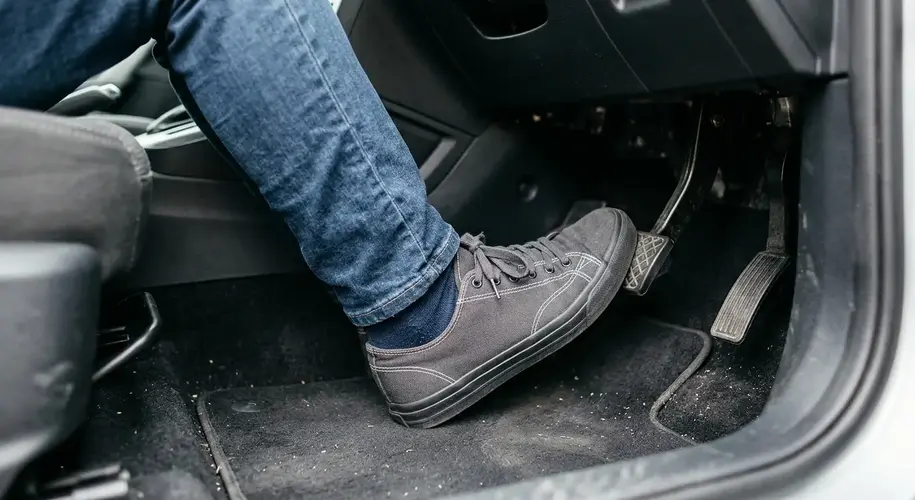
What’s the Difference Between Squeaking and Grinding?
Squeaking:
- Often early-stage pad wear
- High-pitched sound
- May be moisture-related
Grinding:
- Deeper, harsh sound
- Metal-on-metal contact
- Immediate attention required
Grinding can indicate severely worn pads and metal contact, but trapped debris or other faults can also cause harsh scraping sounds. An inspection is needed to identify the source.
What Should You Tell the Technician About Brake Noise?
Note whether the sound occurs only when braking, during the first stops of the day, or throughout the drive. Also mention recent brake repairs, warning lights, vibration when braking, pulling, or changes in pedal feel.
These details help guide diagnosis. Do not deliberately perform hard stops or continue driving to reproduce a concerning symptom.
How Brake Noise Is Diagnosed
A proper inspection evaluates:
- Brake pad thickness
- Rotor condition and thickness
- Caliper operation
- Hardware condition
- Brake fluid condition
- ABS warning codes (if present)
Accurate diagnosis ensures the correct repair is performed — not unnecessary replacements.
Frequently Asked Questions
Why are my brakes squeaking but still stopping fine?
Brake noise can occur before you notice a change in stopping performance. Normal stopping does not rule out wear or another fault. If squeaking persists, arrange an inspection; if stopping performance or pedal feel changes, stop safely and arrange professional assistance.
Should new brake pads still squeak after bedding?
Persistent noise after the manufacturer’s bedding procedure should be checked by the installer. Pad material, hardware fit, rotor condition, or installation issues may be involved. Do not assume all new-brake noise will disappear with use.
Does brake fluid cause squeaking?
Brake fluid contamination typically affects pedal feel, not squeaking. Noise is more commonly related to pads, rotors, or hardware.
Brake Noise Inspection in Huntington Beach
Erik Reyna and his team with more than 15 years of automotive repair experience at ER Collision and Auto Body Shop provides brake inspections and repairs in Huntington Beach. We check the pads, rotors, calipers, and hardware to identify the source of persistent noise.
Same-day service may be available depending on the diagnosis and parts availability. If braking performance is affected, arrange towing instead of driving to the shop.